Why Collecting Fallen Apples Matters for Orchard Health
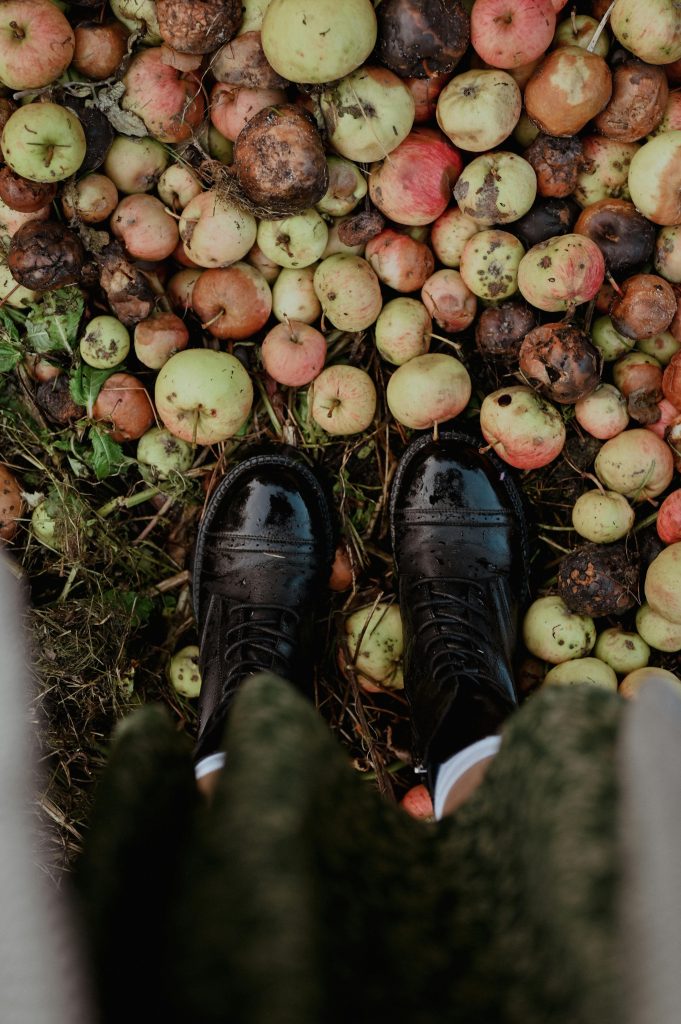
Fallen apples attract pests and spread disease if left unattended.
Uncollected fruit can host codling moths, fungal spores, and wasps. Timely collection preserves orchard hygiene, improves safety, and reduces compostable waste buildup.
1. Use Garden Bags with Wide Openings for Easy Pickup
Wide-mouth garden bags increase pickup speed and reduce strain.
- Keep the bag upright with internal rings or frames
- Place near apple clusters to minimize walking
- Use for apples sorted by ripeness or compostability
Ideal sizes: 80–120 liters for backyard or semi-professional orchards.
2. Attach Garden Bags to Fruit Picker Poles
A picker pole with a soft basket and bottom-tied garden bag prevents bruising.
- Apples drop directly into the bag
- No bending or repetitive lifting required
- Reduces contact with the ground, protecting fruit quality
Perfect for hard-to-reach areas and elder growers.
3. Rake Apples into the Bag Using Leaf Rakes or Apple Scoops
Use a plastic rake or apple roller to direct fruit into open garden bags.
- Great for flat orchard floors or grassy terrain
- Minimizes hand contact and speeds up bulk collection
- Ideal for windfall apples meant for cider or compost
Garden bags with low sides improve access during raking.
4. Line Garden Bags with Mesh Inserts for Breathability
Mesh liners in garden bags reduce apple rot during collection.
- Ventilation prevents fermentation in warm weather
- Helps keep fruit dry if collection lasts several hours
- Supports temporary storage before sorting
This works well during peak drop periods in early autumn.
5. Color-Code Garden Bags by Apple Quality
Use colored garden bags to separate usable fruit from waste.
| Bag Color | Use Case |
| Green | Edible apples for storage |
| Brown | Compostable or bruised apples |
| Red | Suspected disease-infected fruit |
This system simplifies sorting during and after collection.
6. Drag-and-Dump Style Bags for Large Ground Coverage
Bags with drag handles let you pull them while collecting.
- Made of tear-resistant polypropylene
- Ideal for wide orchard lanes or windfall zones
- Reduce repetitive lifting and arm fatigue
Tip: Pick bags with reinforced bottom seams to prevent tearing.
7. Pre-Screen for Damage Before Bagging
Inspect apples before placing them in bags to reduce cross-contamination.
- Remove apples with holes, mold, or fermenting scent
- Place spoiled apples in separate compost bags
- Prevents rot transfer to edible harvest
You can reference our orchard care guide for disease control protocols.
How Often Should You Collect Fallen Apples?
Collect daily or every 2 days during peak harvest.
| Orchard Size | Suggested Frequency |
| Small (under 10 trees) | Every 2 days |
| Medium (10–50 trees) | Daily in harvest weeks |
| Large (>50 trees) | Multiple rounds/day |
Frequent collection reduces pest cycles and keeps walking paths clear.
Which Garden Bag Models Work Best for Fallen Fruit?
Look for bags optimized for ground-level use:
- GroundGlide XL – large opening, drag handles, 150L capacity
- OrchardMesh Flex – breathable liner, compost-safe
- FruitSort Duo – dual-chamber bag for good vs. bad apples
Prices range from €18–€35 depending on features and material.
Can Garden Bags Be Used to Transport Collected Apples?
Yes. Garden bags with padded handles or shoulder straps make apple transport easier.
- Move apples to crates, sorting tables, or storage sheds
- Use firm-bottom bags to reduce crushing
- Clean bags before reuse to avoid fruit residue buildup
Garden bags also support post-harvest storage workflows.