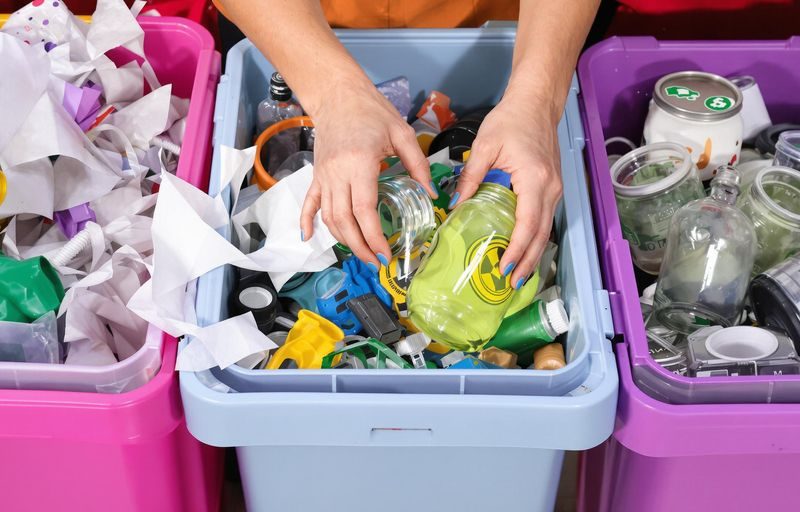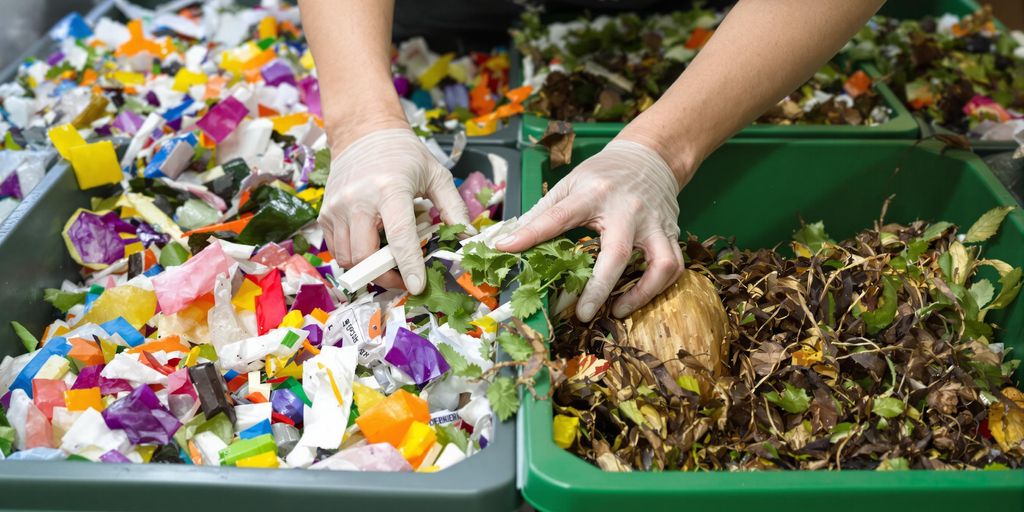
We all make trash, right? It’s just a part of life. But how we handle that trash makes a big difference. Learning about garbage segregation is like getting a secret weapon against pollution and wasted resources. It’s not super complicated, and honestly, it just makes sense. This guide is here to break down why sorting your waste matters and how you can get better at it, whether you’re at home or at work. Let’s get this done.
Key Takeaways
- Garbage segregation is about sorting waste into different bins to make recycling, composting, and safe disposal easier.
- Proper sorting protects the environment by stopping harmful stuff from getting into the ground and water.
- Recycling materials saves natural resources and energy, which is good for the planet.
- Businesses should do a waste audit, set up clear bins, and train their staff on garbage segregation.
- Keeping bins clean and knowing local rules helps make sure garbage segregation works well.
Understanding the Importance of Garbage Segregation
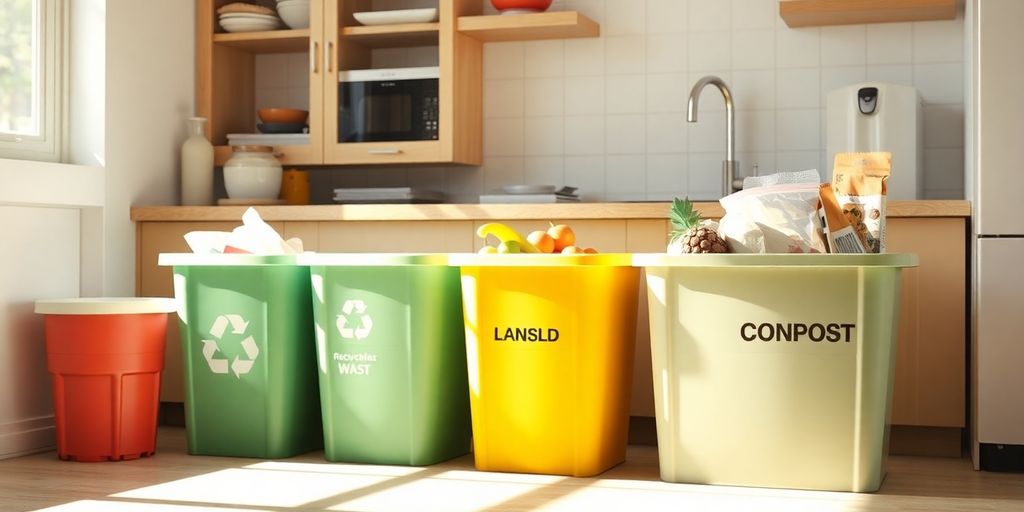
So, why bother with sorting your trash? It might seem like a hassle at first, but it’s actually a pretty big deal for our planet and for us. When we just toss everything into one bin, a lot of good stuff ends up buried in landfills, taking up space and potentially leaching harmful things into the ground. Plus, we miss out on chances to reuse materials that could be turned into something new.
Environmental Protection Through Proper Sorting
Think about it: when you separate your waste, you’re actively preventing pollution. Things like batteries, old electronics, or leftover cleaning products are considered hazardous. If they end up in a regular landfill, their chemicals can leak out and contaminate the soil and water. That’s bad news for plants, animals, and even our drinking water. By putting these items in their correct bins, they can be treated or disposed of safely, keeping our environment cleaner.
Conserving Resources via Recycling Efforts
Recycling is a huge part of why segregation matters. When we toss paper, plastic bottles, glass jars, and metal cans into the recycling bin, they get a second life. This means we don’t have to extract as many raw materials from the earth, which saves energy and reduces pollution from manufacturing. For instance, making aluminum cans from recycled aluminum uses about 95% less energy than making them from scratch. It’s a simple action with a big impact on conserving our planet’s resources.
Safeguarding Public Health and Sanitation
Properly segregated waste also plays a role in keeping communities healthy. When organic waste, like food scraps, is mixed with general trash, it can attract pests and create unpleasant odors. If hazardous materials aren’t handled correctly, they can pose direct health risks to people, especially those who work in waste management. Having clear systems for sorting waste helps protect sanitation workers and reduces the spread of germs and diseases, contributing to a healthier living environment for everyone. It’s a key part of basic solid waste management.
The simple act of putting the right item in the right bin is a powerful step towards a healthier planet and a more sustainable future for all of us.
Key Categories for Effective Garbage Segregation
Alright, let’s talk about the nitty-gritty of sorting your trash. It’s not just about tossing things into different bins; it’s about understanding what goes where and why. Getting this right is a big step towards actually managing waste effectively, rather than just moving it around.
Identifying and Sorting Recyclable Materials
First up, recyclables. This is probably the category most people are familiar with, but there’s still some nuance. Think paper, cardboard, glass bottles and jars, plastic containers (check those numbers!), and metal cans. The key here is to make sure they’re relatively clean and dry. Food residue can contaminate a whole batch of recyclables, turning what could have been a new product into landfill fodder. So, give those jars and cans a quick rinse. It makes a difference.
Managing Organic Waste for Composting
Next, we have organic waste. This is basically anything that used to be alive – food scraps from your kitchen, yard trimmings, coffee grounds, tea bags. These are gold for composting! Instead of letting them rot in a landfill and produce methane, a potent greenhouse gas, you can turn them into nutrient-rich soil. You can do this at home with a compost bin or pile, or look for local composting services. It’s a fantastic way to close the loop on food waste and give your garden a boost. Just remember to keep out things like meat, dairy, and oily foods if you’re composting at home, as they can attract pests and create odors.
Handling Hazardous Waste Safely
This is the category you really need to be careful with: hazardous waste. These are the items that can be harmful to people or the environment if not handled properly. We’re talking about things like batteries (especially rechargeable ones), old electronics (e-waste), cleaning chemicals, paints, solvents, and even fluorescent light bulbs. These shouldn’t go in your regular trash or recycling. Most communities have specific drop-off points or collection events for hazardous waste. It’s super important to find out where these are and use them. Improper disposal can lead to serious soil and water contamination. For instance, a single battery can leach heavy metals into the ground. You can usually find information on local hazardous waste disposal options through your city or county’s waste management website.
Differentiating General Waste
Finally, there’s general waste, often called residual waste. This is everything else that doesn’t fit into the recyclable, organic, or hazardous categories. Think of things like certain types of plastic packaging that aren’t accepted for recycling, broken ceramics, disposable diapers, or items that are too contaminated to be recycled. While the goal is to minimize this category as much as possible by recycling and composting, it’s still a necessary part of the system. Proper segregation means that only the true ‘garbage’ ends up here, ready for its final destination, usually a landfill or incinerator. The less you have in this bin, the better your waste management is.
Understanding these categories is the first, and perhaps most important, step in effective waste segregation. It’s about being mindful of what you’re throwing away and directing it to the most appropriate place, rather than just assuming it will all be handled correctly.
Implementing Garbage Segregation at Home
Getting your household on board with sorting trash might seem like a chore at first, but it’s really not that complicated once you get the hang of it. The key is to make it easy and clear for everyone. Think about setting up a system that just makes sense for your daily routine. You’ll be surprised how quickly it becomes second nature.
Setting Up Clearly Labeled Household Bins
First things first, you need the right tools. Grab a few bins – maybe one for recyclables, one for compostable stuff, and one for everything else. Don’t go overboard with fancy containers; simple, sturdy bins work just fine. The most important part is labeling them clearly. Use big, easy-to-read labels so there’s no confusion. You can even use different colors if that helps. For recyclables, you might want to specify what goes in, like ‘Paper & Cardboard,’ ‘Plastics & Cans,’ and ‘Glass.’ This makes sure you’re not contaminating the recycling stream. It’s all about making the sorting process as straightforward as possible for every member of the household.
Understanding Local Waste Management Guidelines
Every town or city has its own rules about what they can and can’t recycle or compost. It’s a good idea to check your local municipality’s website or give them a call. They usually have detailed information on their waste management programs. Knowing these guidelines helps you sort correctly and avoid putting the wrong things in the recycling bin, which can cause problems down the line. For instance, some places accept certain types of plastic that others don’t. Staying informed about your local waste disposal practices is super important.
Composting Organic Waste at Home
Got food scraps or yard trimmings? Don’t just toss them in the trash. Composting is a fantastic way to turn that organic waste into something useful for your garden. You can get a simple compost bin or even just start a pile in a corner of your yard. It’s not as smelly or complicated as some people think. Just layer your kitchen scraps (like vegetable peels and coffee grounds) with yard waste (like leaves and grass clippings). Turning the pile every so often helps it break down faster. It’s a great way to reduce what goes to the landfill and create your own natural fertilizer.
Business Strategies for Superior Garbage Segregation
Running a business means you’re generating waste, and how you handle it really matters. It’s not just about keeping your place tidy; it’s about being responsible and often, it’s the law. Getting your garbage segregation right can save money, help the environment, and make your business look good. So, let’s talk about how to do it well.
Conducting a Comprehensive Waste Audit
Before you can sort anything, you need to know what you’re dealing with. Think of a waste audit like a doctor’s check-up for your trash. You’ll go through what your business throws away over a period, maybe a week or two. You’ll want to figure out the types of waste you’re making – like paper, cardboard, plastics, food scraps, maybe some chemicals or old electronics. Also, try to get a sense of how much of each type you’re producing. This information is super helpful because it tells you where your biggest waste streams are and what you can realistically do about them. It’s the first step to making a real plan.
Establishing Accessible Waste Stations
Once you know what you’re sorting, you need places for people to actually do it. Setting up waste stations means putting bins in convenient spots where people work and hang out – think break rooms, near printers, in hallways, or on the factory floor. Make sure the bins are clearly marked. Using different colors for different types of waste, like blue for recycling and green for compost, can make it really easy for everyone to get it right without even thinking too hard. If your business makes a lot of waste, you might need bigger bins, maybe even those big roll-off containers, and you’ll want to work with a waste company to pick them up regularly.
Educating Employees on Segregation Practices
Having the best bins in the world won’t help if nobody knows how to use them. It’s really important to train your staff. Tell them why sorting waste is important for the business and the planet. Show them exactly what goes in which bin. You could do a quick workshop, put up posters, or even create a simple guide. The goal is to make sure everyone understands their part in the process. When people know what to do and why, they’re much more likely to do it correctly, and that makes a huge difference in how well your segregation system works.
Maintaining Hygiene and Compliance in Waste Management
Keeping things clean and following the rules is super important when you’re dealing with trash. It’s not just about making things look nice; it’s about stopping germs and making sure you’re not breaking any laws. Let’s break down how to do that.
Choosing Appropriate Bin Lid Types
Picking the right lid for your bins makes a big difference. You want lids that seal well to keep smells locked in and critters out. Think about swing lids, step-on ones, or even the fancy sensor-activated ones that open without you touching them. This touchless option is great for places where hygiene is a top priority.
Implementing Regular Bin Cleaning Schedules
Nobody likes a stinky, grimy bin. Setting up a regular cleaning routine for all your trash cans and recycling bins is key. This stops gunk and bacteria from building up. Depending on how much trash you generate, you might need to clean them daily, weekly, or monthly. It really helps keep the area fresh.
Ensuring Compliance with Disposal Regulations
This is where you really need to pay attention to the details. Different places have different rules about how to get rid of trash. For example, if you’re dealing with medical waste, you need special containers that meet health and safety standards. And if you have confidential papers, you need secure bins to make sure that information stays private. Plus, you’ve got to follow local rules about what can and can’t be recycled. Staying on top of these regulations helps you avoid trouble and be a responsible waste manager.
Keeping your waste management practices clean and compliant isn’t just about following rules; it’s about creating a healthier environment for everyone. Regular cleaning and understanding disposal regulations are the cornerstones of good waste management.
Overcoming Challenges in Garbage Segregation
Let’s be real, getting everyone on board with sorting trash can feel like a real uphill battle sometimes. We’ve all seen it – that one bin overflowing with a mix of everything, completely ruining the efforts of everyone else. It’s frustrating, right? But don’t throw in the towel just yet. There are ways to tackle these common roadblocks.
Addressing Lack of Awareness and Education
This is probably the biggest hurdle. People genuinely don’t know what goes where, or they just don’t think it matters. The fix? Clear, simple communication. Think visual aids, maybe a quick workshop, or even just well-labeled bins that make it obvious. Making it easy is key. If people have to guess, they’ll probably just toss it in the nearest bin.
Navigating Inconsistent Segregation Practices
This one’s tricky because rules can differ from town to town, or even building to building. What’s recyclable in one place might not be in another. The best approach here is to get familiar with your local waste management guidelines. Seriously, check their website or give them a call. Knowing the local rules means you can educate yourself and others accurately. It’s about consistency within your own space, even if the wider world is a bit messy.
Mitigating Waste Stream Contamination
Contamination is the recycler’s nightmare. Think greasy pizza boxes in the paper bin or plastic bags mixed with glass. This often happens when people aren’t careful or don’t understand the impact. Regular bin checks can help identify problem areas. For businesses, this might mean spot checks or having a designated person oversee the waste stations. For homes, it’s about a quick rinse of containers and making sure food scraps don’t end up with the plastics. It takes a little extra effort, but it makes a huge difference in what actually gets recycled.
Promoting Sustainable Practices Through Garbage Segregation
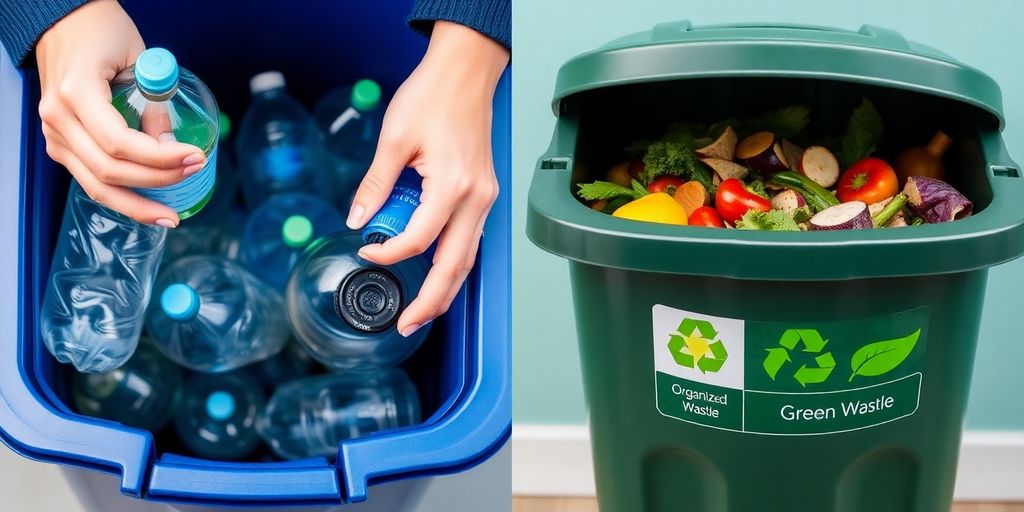
When we talk about managing our trash, it’s not just about getting rid of it. It’s really about how we can use this whole process to build better habits for the planet. Proper garbage segregation is a big part of that. It helps us cut down on what goes into landfills, which are filling up fast. Plus, keeping our towns and cities cleaner just makes life better for everyone.
Reducing Reliance on Landfills
Think about it: landfills take up a lot of space and can cause pollution. By sorting our waste, we divert a huge amount of material that can be reused or turned into something new. Recyclables like paper, plastic, and metal can be processed and made into new products, meaning we don’t have to dig up as many raw materials. Organic waste, like food scraps and yard trimmings, can be composted. This compost is great for soil, reducing the need for chemical fertilizers. Every bit we keep out of the landfill makes a difference.
Enhancing Urban Cleanliness and Aesthetics
Nobody likes seeing trash blowing around or overflowing bins. When we segregate our waste properly, it makes collection easier and more efficient. This means less chance of litter spilling onto streets and sidewalks. Cleaner public spaces are more pleasant to be in, and it shows a community that cares about its environment. It’s a simple step that has a visible impact on how our neighborhoods look and feel.
Fostering a Culture of Environmental Responsibility
Getting good at sorting trash isn’t just a chore; it’s a way to build a habit of thinking about our impact. When households and businesses make segregation a regular thing, it spreads. It makes people more aware of how much they consume and what happens to their waste afterward. This awareness can lead to other good habits, like reducing consumption in the first place or choosing products with less packaging. It’s about creating a mindset where taking care of the environment is just part of how we live.
Wrapping It Up: Your Role in a Cleaner Future
So, we’ve gone over why sorting your trash matters and how to actually do it. It might seem like a lot at first, but really, it’s just about paying a little attention to where things go. By taking these simple steps, like having separate bins for recyclables and food scraps, and knowing where to take stuff like old batteries, you’re making a real difference. It helps keep our planet cleaner, saves resources, and honestly, just makes things less messy. Let’s all try to get better at this – our future selves will thank us.
Frequently Asked Questions
What exactly is waste segregation?
Waste segregation means sorting your trash into different bins based on what it is. Think of it like putting paper with paper, plastic with plastic, and food scraps in a separate spot. This helps make sure things that can be recycled or composted actually get processed correctly, and it keeps harmful stuff away from the environment.
Why is sorting trash so important?
It’s super important because it helps protect our planet! When we sort trash, we can recycle more materials, which means we use fewer new resources. It also stops yucky stuff from leaking into the ground and water, and it keeps our communities cleaner and healthier.
How can I start sorting waste at home?
You can start by setting up a few bins at home. Maybe one for recyclables (like paper, cans, and clean plastic bottles), one for food scraps and yard waste (for composting), and one for everything else. Just make sure each bin is clearly marked so everyone knows what goes where.
What kind of waste is considered ‘organic’?
Organic waste, also called ‘compostable’ waste, is basically anything that used to be alive and can break down naturally. This includes things like fruit and vegetable peels, coffee grounds, tea bags, and yard trimmings. It’s great for making healthy soil for gardens!
What counts as hazardous waste and how should I handle it?
Hazardous waste is anything that could be dangerous if not handled right. This includes things like old batteries, cleaning chemicals, paint, and electronics. You usually can’t just toss these in your regular trash. You’ll need to find special drop-off places or collection events in your town to get rid of them safely.
What are the main challenges in sorting waste properly?
The biggest hurdles are people not knowing how to sort or not bothering to do it. Sometimes, rules can be confusing because they’re different in different places. Also, if we don’t have enough bins or places to take the sorted trash, it makes things harder. Keeping recyclables clean is also key – dirty items can ruin a whole batch!