Dealing with garbage can feel like a constant battle, right? We all want to do our part for the planet, but sometimes it’s hard to know where to start or if you’re even doing it right. This guide is here to help clear things up. We’ll go over the basics of garbage recycling, how to make your own efforts count, and even look at bigger picture stuff like dumpster rentals. Let’s get this waste management thing figured out.
Key Takeaways
- The core idea is ‘Reduce, Reuse, Recycle’ – meaning use less, use things again, and then recycle what’s left.
- Knowing what can and can’t be recycled is super important to avoid messing up the whole process.
- Making sure your recyclables are clean and sorted correctly helps recycling centers do their job better.
- Think about composting food scraps and yard waste to cut down on what goes to the landfill.
- For big jobs like home renovations, renting a dumpster can make waste disposal much simpler and more organized.
Understanding the Fundamentals of Garbage Recycling
Getting started with recycling might seem a bit confusing at first, but it’s really about understanding a few key ideas. It’s not just about tossing things into a blue bin; it’s a whole system designed to help our planet. Think of it as giving materials a second life instead of just burying them.
The “Reduce, Reuse, Recycle” Philosophy
This is the big one, the guiding principle for all our waste efforts. It’s a simple idea with a huge impact. First, we want to reduce how much stuff we use in the first place. This means being mindful when we shop, maybe picking the item with less packaging or just buying what we actually need. Then comes reuse. Can that jar be used for something else? Can that old shirt become a cleaning rag? Finally, we get to recycle. This is where we take materials that can’t be reduced or reused and send them off to be made into something new. It’s a cycle, and each step is important for managing our waste better.
What Can and Cannot Be Recycled
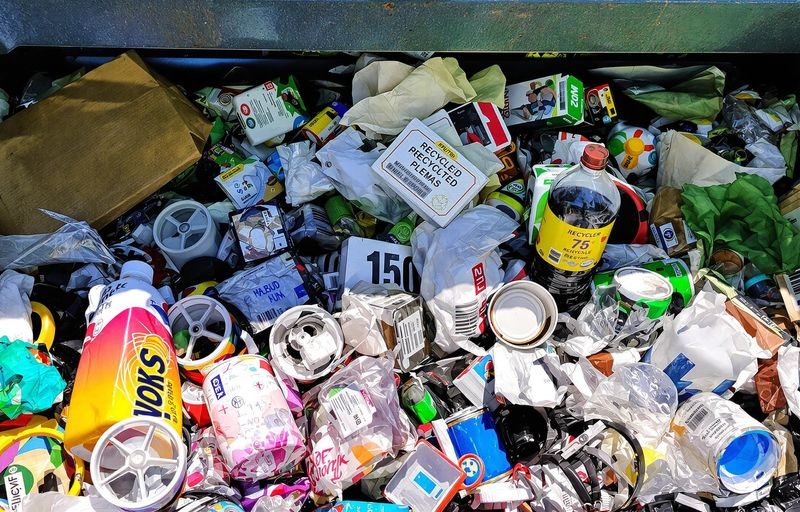
This is where people often get tripped up. Not everything with a recycling symbol can actually be recycled in your local program. Generally, things like paper, cardboard, glass bottles and jars, and metal cans (like aluminum and steel) are good to go. Many plastics are also recyclable, but you have to check the number on the bottom. Things that usually can’t be recycled include plastic bags, Styrofoam, food-soiled containers, and certain types of mixed materials. Putting the wrong things in can mess up an entire batch of good recyclables, which is why knowing your local rules is so important. You can usually find this info on your town or city’s waste management website. For example, glass can be repurposed for things like road construction.
The Importance of Proper Waste Segregation
Separating your waste correctly is a big deal. It’s not just about putting paper in one bin and plastic in another. It’s about making sure that what you put in the recycling bin is actually recyclable. Learn more about farm waste management tips.
Maximizing Your Recycling Efforts
So, you’ve got the basics down, but how do you really step up your recycling game? It’s not just about tossing things into the blue bin; there’s a bit more to it if you want to make sure your efforts actually count. Think of it like this: you wouldn’t just throw random ingredients into a cake and expect it to turn out great, right? Recycling is similar. Getting it right means your recyclables have a much better chance of becoming something new.
Cleaning and Preparing Recyclables
This is a big one. You know those yogurt cups or peanut butter jars? They need a quick rinse. Food residue and liquids can mess up entire batches of recyclables, making them unusable. It’s a bummer when perfectly good plastic or paper gets tossed because of a little bit of leftover gunk. So, give those containers a quick swish and maybe a wipe. Also, flattening cardboard boxes and paperboard saves a ton of space in your bin, which is helpful for everyone. It makes collection easier and means more can be processed.
Avoiding “Wishful Recycling”
This is where people get into trouble. “Wishful recycling” is when you toss something into the bin hoping it’s recyclable, even if you’re not sure. That plastic bag you think might be okay, or that coffee cup with the plastic lining? If your local facility can’t handle it, it just becomes contamination. It’s better to know for sure. When in doubt, throw it out (in the regular trash, that is). You can usually find lists on your local municipality’s website detailing exactly what they accept. Checking recycling management resources is a good start.
Sorting Materials for Efficient Processing
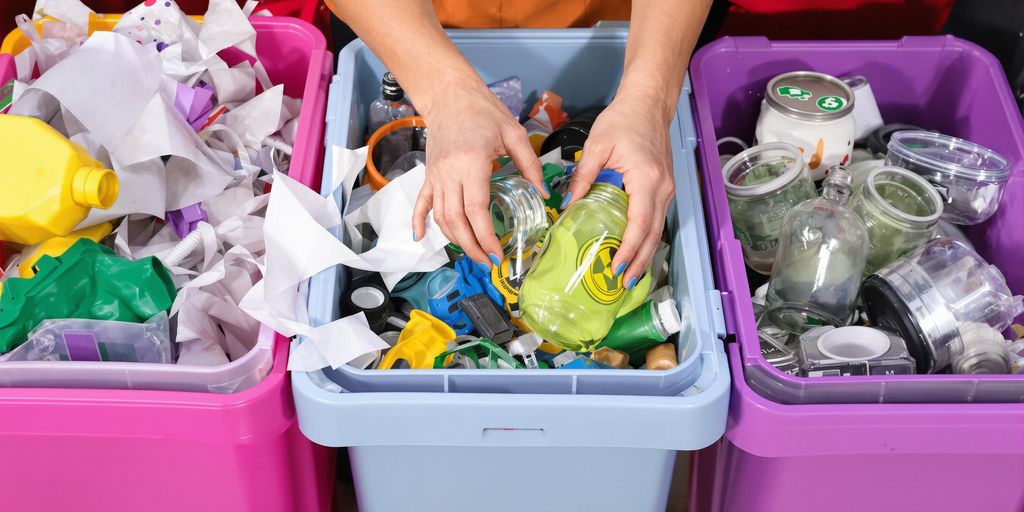
While many curbside programs have automated sorting, understanding the basic categories helps. Generally, you’re looking at paper, cardboard, plastics (often with numbers on the bottom), glass, and metals. Some places might ask you to separate glass or metals, while others don’t. Knowing your local system is key. For instance, some advanced facilities use Smart Sort technology, which uses sensors and AI to sort materials. If your area has this, it’s a big help, but it still relies on you putting the right things in the bin to begin with. It’s all about making the system work as smoothly as possible.
Effective Waste Management Techniques at Home
Making a difference in how we handle our trash doesn’t always require big changes. It often starts with small, consistent habits right in our own homes. By being more mindful of what we consume and how we dispose of it, we can significantly cut down on waste and make recycling efforts more effective.
Reducing Everyday Waste Generation
One of the simplest ways to manage waste better is to produce less of it in the first place. Think about your daily routines. Are you using reusable shopping bags instead of plastic ones? Could you switch to a reusable water bottle and coffee cup? Minimizing single-use items, like disposable cutlery or straws, really adds up. Also, consider buying products that come with less packaging. Sometimes, buying in bulk can help reduce excess packaging, but only if you’ll use it all before it spoils. Repairing items instead of immediately replacing them is another great way to cut down on waste. It saves resources and often money, too.
Implementing Composting Practices
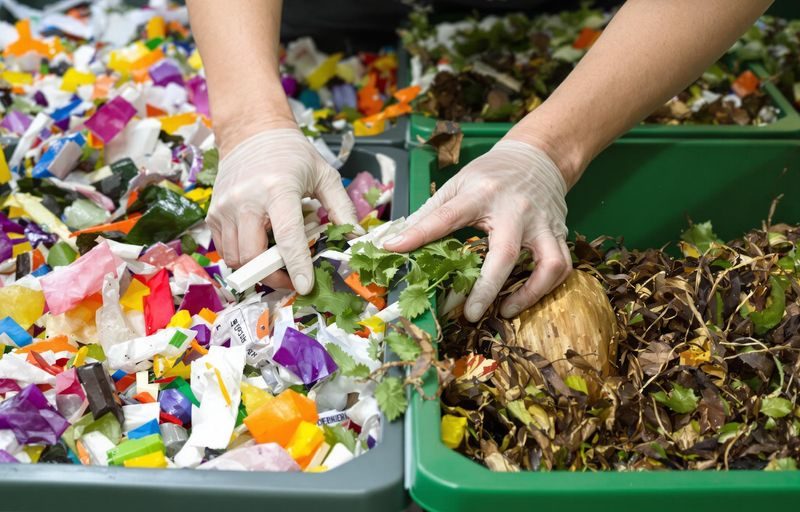
Composting is a fantastic way to handle organic waste, like food scraps and yard trimmings. Instead of sending these items to the landfill where they can produce harmful methane gas, you can turn them into nutrient-rich compost for your garden. You can set up a compost bin outdoors or even a smaller system indoors. The key to successful composting is balancing your ‘green’ materials (like fruit and vegetable scraps, coffee grounds) with ‘brown’ materials (like dry leaves, shredded cardboard, or straw). Regularly turning your compost pile helps it break down faster. It’s a natural process that benefits your soil and reduces your overall trash volume.
Choosing Products with Minimal Packaging
When you’re at the store, take a moment to look at the packaging. Opting for products that use less material, or materials that are easily recyclable, makes a big difference. Buying fresh produce often means less packaging compared to pre-packaged or processed foods. Look for items sold loose or in bulk bins where you can use your own containers. This conscious choice not only reduces the amount of waste you bring home but also sends a message to manufacturers about consumer preferences. It’s a small step that supports a larger movement towards more sustainable product design and less waste.
Making conscious choices about the products we buy and how we use them is a powerful way to manage waste at home. It’s about being resourceful and thinking about the lifecycle of an item before it even enters your house.
Advanced Garbage Recycling Strategies
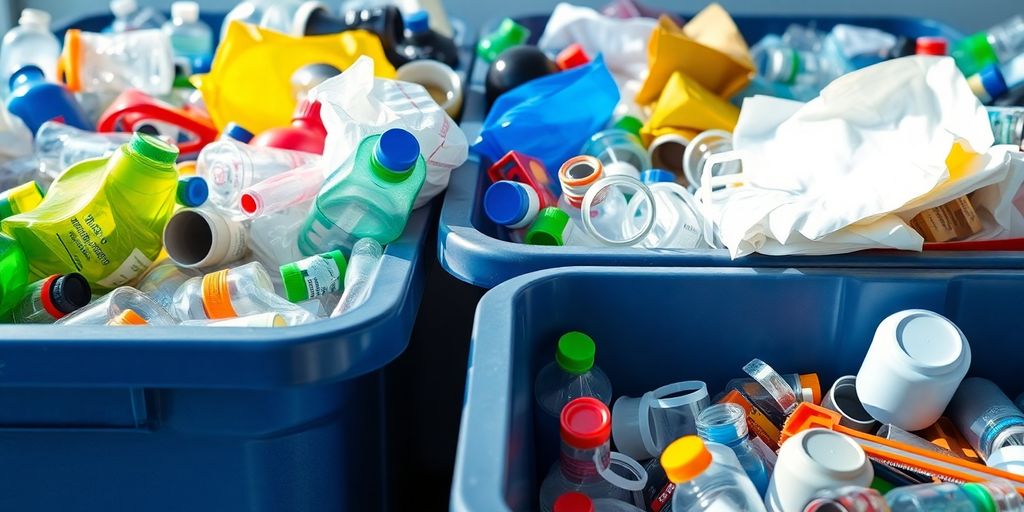
Moving beyond the basics of sorting paper and plastic, there’s a whole other level to recycling that can make a big difference. It’s about thinking outside the usual bins and getting creative with what we do with our waste. Sometimes, the most effective recycling happens before the item even gets to the bin.
Discovering Alternatives for Special Materials
We often focus on the common recyclables, but what about the stuff that doesn’t fit neatly into the blue bin? Things like old electronics, batteries, and even textiles can be recycled, but they usually need a different approach. E-waste, for instance, is a growing problem, but many communities have special drop-off points or collection days for these items. You can often find local recycling management resources that list these options. Similarly, old clothes or fabrics don’t always have to end up in the trash; donating them or looking for textile recycling programs can give them a new life, perhaps as cleaning rags or insulation material.
Understanding Smart Sort Technology
Have you ever wondered how recycling facilities actually sort all the materials? Increasingly, they’re using advanced technology to do the job more efficiently. “Smart sort” systems often use optical scanners, magnets, and even artificial intelligence to identify and separate different types of materials at high speeds. This helps reduce contamination and ensures that more of what we put in the bin actually gets recycled. It’s pretty amazing to think about the machinery involved in processing our discarded items.
Staying Informed on Local Recycling Guidelines
This might sound simple, but it’s probably the most important advanced tip: know your local rules. Recycling programs can vary a lot from one town or city to another. What’s accepted in one place might not be in another, and putting the wrong things in the bin can actually cause problems for the whole system. It’s worth checking your local municipality’s website or contacting them directly to get the latest information on what they accept and how they want it prepared. This helps avoid “wishful recycling” – tossing something in the bin hoping it’s recyclable when it’s not. Keeping up with these guidelines is key to making sure your efforts count.
Leveraging Dumpster Rentals for Large-Scale Waste
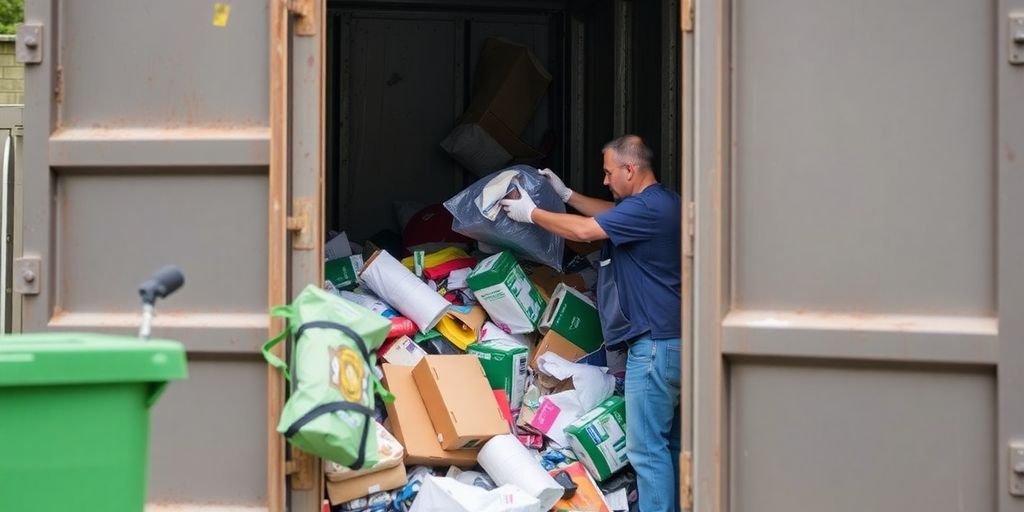
When you’ve got a big project going on, like a major home renovation, a serious yard clean-up, or even just a massive decluttering session, your regular trash bin just isn’t going to cut it. That’s where renting a dumpster comes in handy. It’s basically a giant bin you can fill with all sorts of stuff that your weekly garbage pickup won’t touch. Think old cabinets, broken tiles, branches, or just piles of things you no longer need. Having one central spot for all this waste makes the whole cleanup process way less stressful and keeps your work area tidy.
Simplifying Cleanup for Projects
Using a dumpster rental really streamlines the process of getting rid of waste from bigger jobs. Instead of making multiple trips to the dump or trying to cram everything into smaller bins, you have one large container right where you need it. This is super helpful for:
- Home Renovations: Tearing out old kitchens or bathrooms means lots of debris like drywall, wood, and fixtures.
- Major Cleanouts: Attics, basements, and garages often hide years of accumulated junk that needs a proper disposal method.
- Yard Work: Big landscaping jobs can produce a surprising amount of branches, soil, and old plants.
- Community Events: Neighborhood cleanups benefit from a central waste collection point.
It just makes everything so much easier to manage.
Choosing the Right Dumpster Size
Picking the correct dumpster size is pretty important. You don’t want one that’s too small and overflows, forcing you to make extra arrangements. On the other hand, you don’t want to pay for a huge bin if you only have a moderate amount of waste. Most rental companies offer various sizes, often ranging from small 10-yard bins to larger 30 or 40-yard ones. It’s a good idea to think about the scope of your project and what kind of materials you’ll be tossing. If you’re unsure, it’s always best to call up a company like Recycle Right and ask for their advice; they can usually help you figure out the best fit based on your specific needs.
Eco-Friendly Disposal Solutions
When you rent a dumpster, you’re not just getting a place to throw trash. Many rental services focus on responsible disposal. This often means they’ll sort through the contents to recycle materials like metal, wood, and certain plastics whenever possible. This effort helps reduce the amount of waste that ends up in landfills, which is a big win for the environment. It’s a way to manage your project’s waste responsibly and contribute to a more sustainable approach to waste management.
The Broader Impact of Garbage Recycling
Conserving Natural Resources
Recycling is a big deal for keeping our planet healthy. Think about it: every time we recycle paper, we’re saving trees. Recycling metals means we don’t have to dig as much ore out of the ground. And plastic? Well, that often comes from oil, so recycling it helps conserve that too. It’s like giving materials a second life, which is way better than constantly taking new stuff from the earth. This process helps preserve forests, water, and minerals for future generations. It’s a simple action with a huge ripple effect on the environment. You can find out more about the advantages and economic impact of recycling from resources like the Recycling Economic Information (REI) Report.
Reducing Landfill Burden
Our landfills are getting pretty full, aren’t they? When we toss everything in the trash, it just sits there, sometimes for hundreds of years, taking up valuable space and potentially leaching harmful stuff into the soil and water. Recycling diverts a massive amount of waste away from these landfills. This means less land is needed for dumping, and we reduce the environmental risks associated with landfill sites. It’s a direct way to lessen our footprint and keep our communities cleaner.
Contributing to a Sustainable Future
Ultimately, recycling is about building a better future. It’s a key part of a circular economy, where materials are used and reused as much as possible, rather than just being used once and thrown away. This approach helps cut down on pollution, saves energy, and even creates jobs in the recycling and manufacturing industries. By participating in recycling programs and making conscious choices about what we buy, we all play a part in creating a more sustainable world for everyone. It’s about making sure the planet is still a good place to live for our kids and grandkids. Many cities offer curbside recycling pickup, special collection events for electronics or hazardous waste, and local drop-off stations. By staying informed about what your community offers and participating in clean-up events, you help increase the reach and effectiveness of waste reduction efforts.
Wrapping Up Our Recycling Journey
So, we’ve covered a lot about making recycling work better. It’s not just about tossing things in a bin; it’s about thinking ahead and doing things right. Remember to reduce what you use in the first place, find ways to reuse items, and then, yes, recycle what’s left. Cleaning out those containers and knowing what your local place actually takes makes a huge difference. It might seem like small stuff, but when we all do our part, it really adds up. Let’s keep learning and keep trying to make our waste habits better for the planet.
Frequently Asked Questions
What does ‘Reduce, Reuse, Recycle’ really mean?
The main idea is to make less trash, use things more than once, and then recycle what’s left. Think of it like this: first, try not to create waste. If you can’t help it, reuse items. Finally, recycle things that can be turned into something new.
What kinds of things can and can’t go in the recycling bin?
Generally, you can recycle paper, cardboard, plastic bottles and containers, glass jars, and metal cans. Things like food scraps, greasy pizza boxes, plastic bags, and Styrofoam usually can’t be recycled. It’s always best to check with your local recycling center for specific rules.
Do I really need to wash out my recyclables?
Yes! It’s super important to clean out food and drink containers before recycling. Leftover food can ruin a whole batch of recyclables, making them unusable. Also, try to keep your recyclables dry.
What is ‘wishful recycling’ and why should I avoid it?
Wishful recycling is when you toss something in the bin hoping it can be recycled, even if you’re not sure. This can cause problems at the recycling facility. Stick to recycling only what you know your local center accepts to help the process work smoothly.
Why would I need to rent a dumpster?
When you have a big cleanup, like after a home renovation or a big yard project, renting a dumpster is a great idea. It gives you one place to put all the trash, making the cleanup much easier and more organized.
How does recycling actually help the environment?
Recycling helps save our planet’s resources, like trees and metals. It also means less trash goes into landfills, which are running out of space. Plus, making new things from recycled materials often uses less energy than making them from scratch.