Why Do Eco-Friendly Garden Products Matter in Orchards?
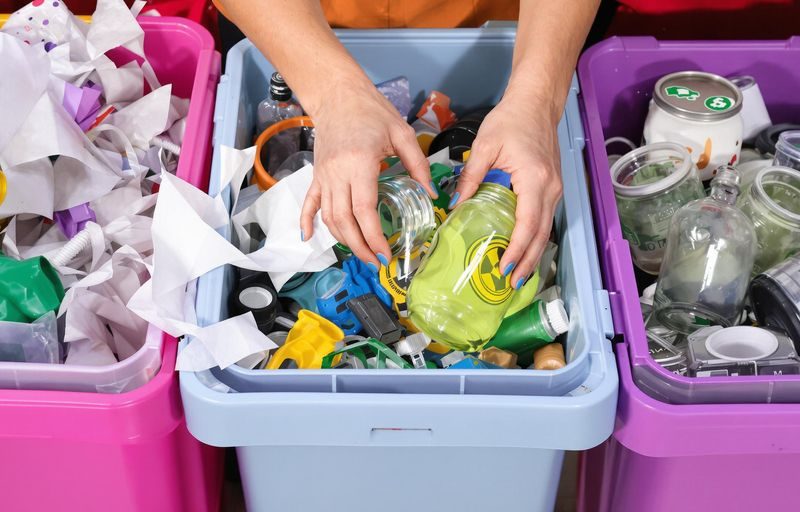
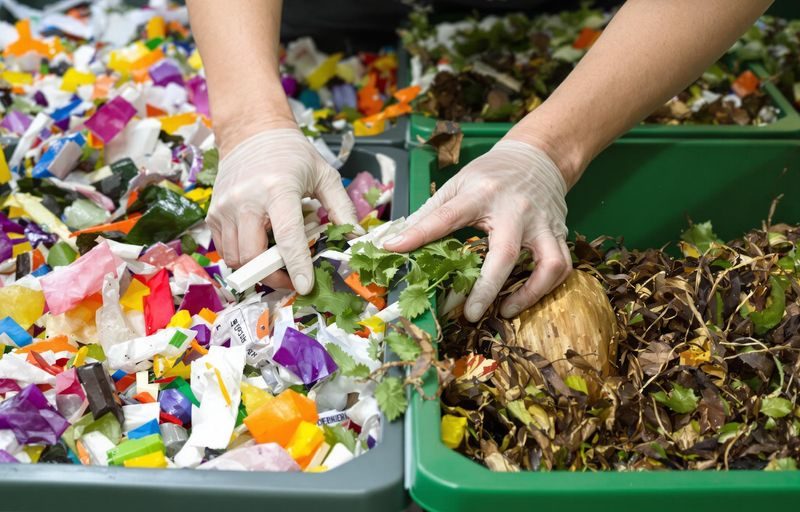
Eco products reduce waste, protect biodiversity, and support regenerative farming.
Apple orchards benefit from sustainable tools, compostable materials, and chemical-free products that improve long-term soil and tree health without harming the environment.
What Makes a Garden Product Eco-Friendly?
A product is eco-friendly if it meets these objective criteria:
- Made from renewable or recycled materials
- Reusable or compostable at end-of-life
- Free from synthetic chemicals or plasticizers
- Low energy and water usage in production
Certifications like FSC, GOTS, or BPI Compostable confirm product sustainability.
Which Eco Garden Products Are Useful in Apple Orchards?
| Product Type | Eco-Friendly Option | Use Case in Orchards |
| Garden bags | Recycled PP or canvas bags | Mulch, compost, pruning waste |
| Mulch | Tree bark, straw, leaf litter | Soil insulation and weed suppression |
| Fertilizers | Compost, worm castings, biochar | Soil enrichment and root support |
| Pest control | Neem oil, sticky traps, diatomaceous earth | Organic pest reduction |
| Gloves | Natural rubber or bamboo fiber | Pruning, harvest, compost handling |
Use garden products with minimal packaging and refillable formats where possible.
How to Identify Truly Eco-Friendly Garden Bags?
Choose bags that meet these material and lifecycle conditions:
- Made from recycled polypropylene or jute
- Durable for 50+ reuse cycles
- Washable without releasing microplastics
- Recyclable or biodegradable after use
- Labeled with eco certifications (e.g., OEKO-TEX, rPET)
Avoid greenwashed products using only marketing claims without verifiable standards.
Can You Replace Plastic Tools with Sustainable Alternatives?
Yes. Many orchard tools now have eco-grade equivalents.
| Conventional Tool | Eco Replacement |
| Plastic trowel | Stainless steel with wood handle |
| Poly garden tie | Biodegradable jute or cotton twine |
| PVC gloves | Natural latex or cork-padded fiber |
| Chemical sprayer | Hand-pump with neem or compost tea |
These swaps reduce landfill waste and improve soil ecosystem stability.
How to Reduce Waste Using Eco Products?
Focus on circular-use tools and consumables.
- Reuse garden bags for multiple seasons
- Store mulch in breathable reusable sacks
- Apply compost made on-site with pruned debris
- Use refillable sprays or concentrate packs
- Choose tools with replaceable heads or blades
Track usage and replacement cycles to spot waste hotspots.
Are There Eco-Friendly Orchard Tools That Boost Efficiency?
Yes. Eco doesn’t mean inefficient.
- Foldable canvas tote bags for mobile pruning
- Solar-powered pest traps to reduce chemical sprays
- Worm composters that turn apple waste into tea
- Mulch forks made from recycled metals
Eco tools often match or outperform conventional versions in multi-use durability.
What Certifications Should You Look for in Eco Garden Products?
| Certification | What It Ensures |
| FSC | Sustainably harvested wood and paper |
| BPI Compostable | Industrial composting safety for bioplastics |
| OEKO-TEX® | Chemical-free textiles |
| GOTS | Organic natural fibers in tools and gloves |
| Cradle to Cradle | Full product lifecycle and recyclability verified |
These standards help avoid greenwashing and support verified sustainable sourcing.
Eco Product Brands Trusted by Orchard Growers
- Burgon & Ball – FSC-certified wood tools
- Compo Bio – organic fertilizers and pest solutions
- Green Planet Gardening – rPET bags, recycled plastic tools
- GrowOrganics EU – compostable plant-based products
- EarthCycle – UK-made peat-free compost and pots
Prices range from €10–€50 depending on the product category and certification level.
Bonus Tip: Create an Eco Garden Kit for Your Orchard
Pack your essential orchard tools and products in one reusable tote.
Include:
- Biodegradable twine
- Neem spray concentrate
- Compost tea pouch
- Natural-fiber gloves
- Washable garden bag
- Organic-approved pruning tool oil
Store in a dry, shaded space for year-round accessibility.
Next, we explore how to make compost tea from apple garden waste—turning orchard trimmings and leftovers into liquid fertilizer.