Why Is Eco-Friendly Waste Disposal Crucial in Apple Orchards?
Improper disposal of orchard waste leads to pest outbreaks and environmental harm.
Eco-friendly waste management preserves soil health, protects local ecosystems, and supports organic certification compliance. Sustainable systems also reduce reliance on landfilling or synthetic inputs.
What Types of Waste Are Common in Apple Orchards?
Apple orchards generate seasonal and operational waste:
| Waste Type | Source |
| Fallen apples | Windfall during ripening |
| Pruning branches | Winter and post-harvest cuts |
| Leaf litter | Autumn defoliation |
| Damaged fruit | Sorting and transport loss |
| Packaging debris | Harvest and supply chain |
Classifying this waste supports better sorting, reuse, and composting.
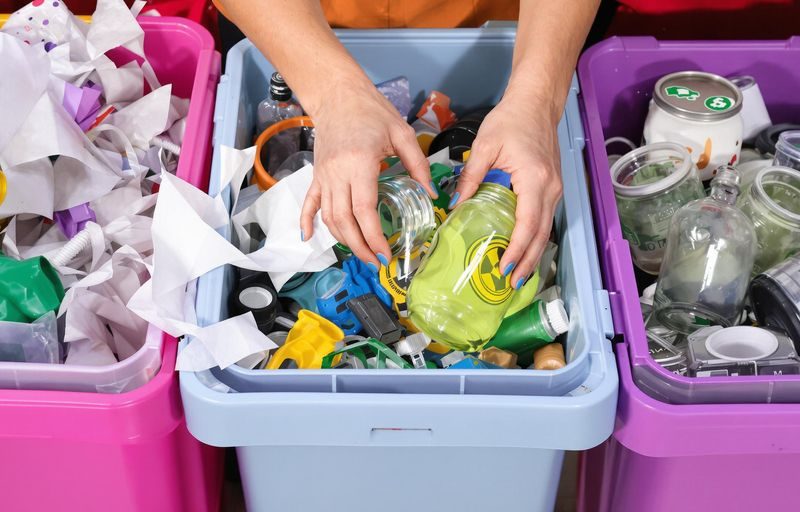
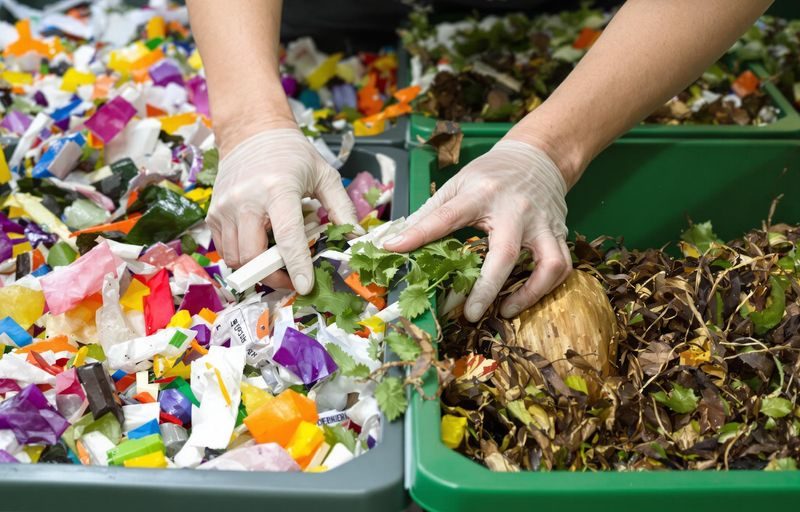
How Should Apple Waste Be Separated for Disposal?
Sorting waste prevents contamination and supports recycling or composting.
- Organic green waste (fruit, leaves): compost or mulch
- Wood waste (branches): chip for biochar or mulch
- Packaging: separate biodegradable from non-biodegradable
- Disease-infected material: isolate and solarize or burn (if permitted)
Use garden bags to sort at the point of collection.
What Are the Most Sustainable Disposal Methods?
Apple orchards benefit from closed-loop disposal systems.
| Disposal Method | Suitable Waste | Environmental Benefit |
| Composting | Apples, leaves, twigs | Enriches soil, reduces methane |
| Mulching | Shredded wood, leaves | Retains moisture, prevents weeds |
| Vermicomposting | Small fruit waste | Produces worm castings for trees |
| Chipping & biochar | Large branches | Improves soil carbon content |
| Solarization | Diseased waste | Prevents disease spread without toxins |
Each method reduces external inputs and supports regenerative agriculture.
Can Garden Bags Help with Eco Waste Management?
Yes. Reusable garden bags make collection, sorting, and transport more sustainable.
- Color-coded bags for easy waste classification
- Breathable fabric prevents early decomposition
- High-capacity options reduce trips and fuel use
- Washable materials support long-term reuse
Use with tools listed in our orchard tools guide.
How Often Should Waste Be Cleared?
Clear organic waste weekly during active orchard seasons.
| Season | Recommended Cleanup Frequency |
| Spring pruning | Bi-weekly |
| Harvest season | Every 2–3 days |
| Autumn drop | Weekly or after storms |
Prompt removal prevents fruit rot, pest nesting, and mold development.
How to Handle Diseased Orchard Waste Sustainably?
Infected material must be treated separately to prevent orchard-wide spread.
- Solarize under clear plastic for 4–6 weeks in summer
- Burn (where legal) to eliminate pathogens
- Do not compost unless using high-heat piles (55°C+)
- Label garden bags containing quarantined material
This helps protect tree health and aligns with IPM practices.
What Tools and Infrastructure Support Sustainable Waste Disposal?
Install simple, scalable waste handling systems:
- Composting bins for green matter
- Wood chippers for pruning debris
- Solarization zones for quarantine
- Wash stations for reusable bags and bins
- Sheltered waste sorting areas near orchard rows
Basic setups improve efficiency and reduce disposal costs long-term.
What Are the Long-Term Benefits of Eco Waste Practices?
Eco disposal improves yields, reduces costs, and increases orchard lifespan.
- Boosts soil microbial diversity
- Reduces chemical dependence
- Strengthens orchard resilience to drought and disease
- Increases carbon sequestration through mulch and compost use
- Enhances farm marketability under eco-certification labels
It aligns with sustainable farming principles and global climate goals.