Why Do Backyard Orchards Need Specialized Garden Bag Hacks?
Small-scale orchards have limited space, tools, and storage.
Using strategic garden bag techniques helps maximize harvest efficiency, minimize waste, and simplify orchard tasks for hobbyist growers and home gardeners.
How Can Garden Bags Simplify Daily Orchard Maintenance?
Garden bags reduce clutter, save time, and organize tools and debris.
- Use collapsible bags to save storage space when not in use
- Designate one bag per task: pruning, compost, fruit, weeds
- Hang garden bags on fence hooks or tree branches to keep paths clear
- Use small-capacity bags (40–60 L) for manageable load sizes
These tricks streamline orchard maintenance routines.
Which Bag Sizes Work Best in a Backyard Orchard?
| Orchard Size | Recommended Bag Volume | Usage |
| 1–5 trees | 30–50 L | Fruit collection, pruning waste |
| 6–10 trees | 50–80 L | Composting, mulch transport |
Avoid oversized bags that become too heavy or bulky for narrow garden paths.
What Are the Best Bag Materials for Small Orchard Use?
Lightweight, washable, and flexible materials work best.
| Material | Benefit for Small Spaces |
| Canvas | Flexible and easy to fold |
| Woven polypropylene | Light yet strong for apple waste |
| Recycled polyester | Eco-friendly and compact |
Choose breathable fabric to prevent mold buildup from wet fruit or grass clippings.
How to Use Garden Bags for Multi-Purpose Seasonal Tasks?
Adapt garden bags across the orchard’s full yearly cycle.
- Spring: Store pruned branches and early weeds
- Summer: Use as a carrier for mulch or compost
- Harvest season: Collect fallen apples and sort by ripeness
- Winter: Protect tools, liners, or use as dry leaf collection containers
This rotation ensures year-round use and justifies small storage footprints.
Can Garden Bags Help with Sorting and Organizing?
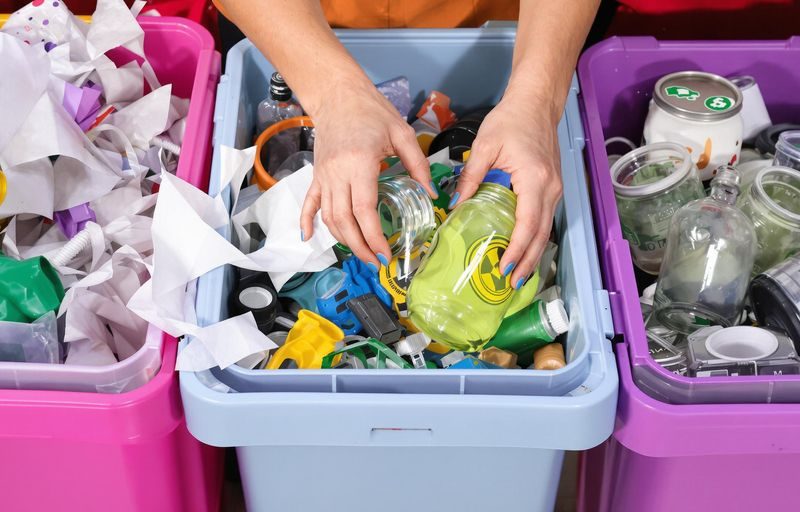
Yes. Color-coding or labeling bags improves sorting.
- Green bags for good apples
- Brown bags for compostable or bruised fruit
- Blue bags for small tools or gloves
- Red tags to indicate “Do Not Use” (e.g., contaminated waste)
Use waterproof markers or attach laminated tags with zip ties.
What Are Smart Storage Tips for Garden Bags in Small Spaces?
Vertical storage and folding techniques save room.
- Fold and stack bags inside garden bins or compost tumblers
- Hang using carabiners or wall hooks in sheds or fences
- Place a weather-resistant storage crate at the orchard edge
- Avoid damp areas to prevent mold on canvas bags
Efficient storage extends bag life and reduces replacement costs.
How to Use Garden Bags to Involve Kids or Family in Orchard Work?
Child-friendly bags create learning opportunities and improve orchard productivity.
- Use light, 20–30 L bags for kid-friendly tasks
- Assign color-coded bags for each family member
- Include orchard activities like apple sorting, leaf gathering, or mulch spreading
- Teach sustainability with compost bag projects
This builds interest in gardening and supports family orchard care.
What Are Simple DIY Modifications for Garden Bags?
Personalize bags to increase utility for your specific layout.
- Add Velcro pockets for hand tools or gloves
- Attach drain holes for wet materials
- Reinforce bottom seams with duct tape for extended use
- Sew canvas loops to hang bags on trees or posts
These modifications cost less than €5 and extend the life of each bag.
Top Garden Bag Picks for Small Apple Orchards
- FlexFold 45L Canvas Bag – foldable, washable
- EcoLoop 60L Poly Bag – wide top, color-coded
- GardenMate Mini-Sort Set – set of 3 with labels
- UrbanOrchard Duo Bag – two-in-one design with divider
Price Range: €10–€30 based on size and material.
Bonus Hack: Use Garden Bags as Mobile Compost Stations
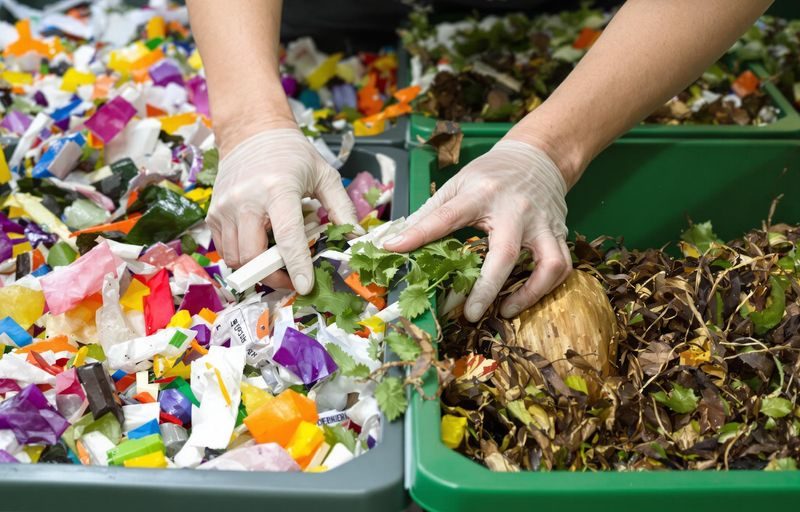
Turn garden bags into temporary compost collection zones.
- Line with mesh insert
- Store green and brown waste on-site
- Empty weekly into a larger compost bin
- Use breathable bags only to prevent odor
Perfect for orchards without space for fixed compost bins.
Next, we’ll explore how to sort garden waste for composting step-by-step, including how garden bags speed up the process and prevent contamination.