Dealing with trash is something we all do, but doing it the right way makes a big difference for the planet. This guide is all about making sure we handle our waste smartly, cutting down what we throw away, and using what we can again. It covers everything from the basic ideas of not making too much trash in the first place to more advanced ways of managing what’s left over. Let’s get into how we can all get better at effective waste disposal.
Key Takeaways
- The core idea of effective waste disposal starts with the ‘Reduce, Reuse, Recycle’ mantra, focusing on using less, using things more than once, and then recycling.
- Sorting your trash correctly is super important for making recycling work well and keeping useful materials out of landfills.
- Finding ways to use less stuff, fix things instead of replacing them, and giving away items you don’t need anymore are great ways to cut down on waste.
- Turning old items into new things, like through upcycling, and turning food scraps into compost are smart methods for managing waste and creating useful resources.
- Everyone plays a part in effective waste disposal, from making smart buying choices to spreading the word about eco-friendly habits in our communities.
Understanding the Pillars of Effective Waste Disposal
Getting a handle on waste disposal isn’t just about tossing things in the right bin; it’s about a whole mindset shift. Think of it as building a house – you need a solid foundation. For waste management, that foundation is built on a few key ideas that work together. These aren’t just buzzwords; they’re practical steps that make a real difference.
Embracing the Reduce, Reuse, Recycle Philosophy
This is the classic trio, and for good reason. It’s the first thing most people learn about dealing with trash. Basically, it means trying to make less waste in the first place (reduce), finding ways to use things again instead of throwing them out (reuse), and then, as a last resort, making sure items that can be turned into something new actually get processed (recycle). It’s a hierarchy, meaning reducing is the best option, followed by reusing, and then recycling.
- Reduce: Buy less stuff, especially things with a lot of packaging. Think about whether you really need that item. Choosing loose produce at the grocery store instead of pre-packaged ones is a good start.
- Reuse: This is where creativity comes in. Can that old jar become a pencil holder? Can clothes be passed down or repurposed? Repairing items instead of buying new ones also falls under reuse.
- Recycle: This is for items that can’t be reduced or reused. It’s about making sure paper, plastic, glass, and metal get sorted correctly so they can be made into new products. It’s a big part of keeping valuable materials out of landfills.
The Importance of Waste Segregation
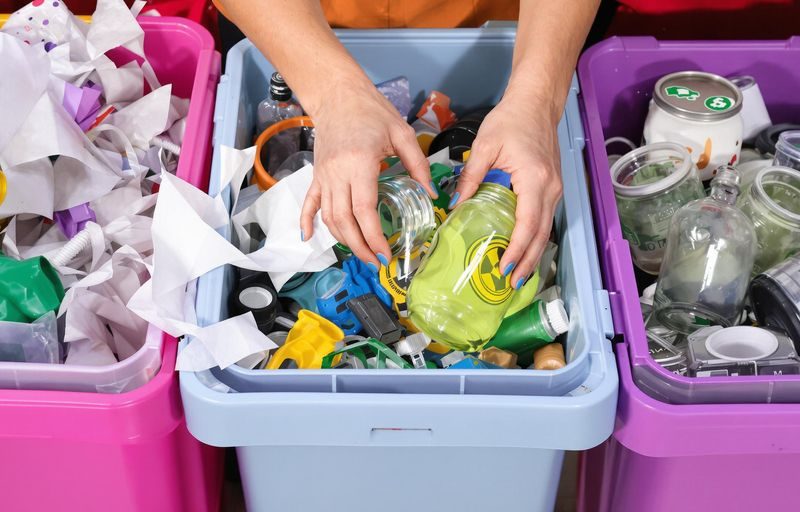
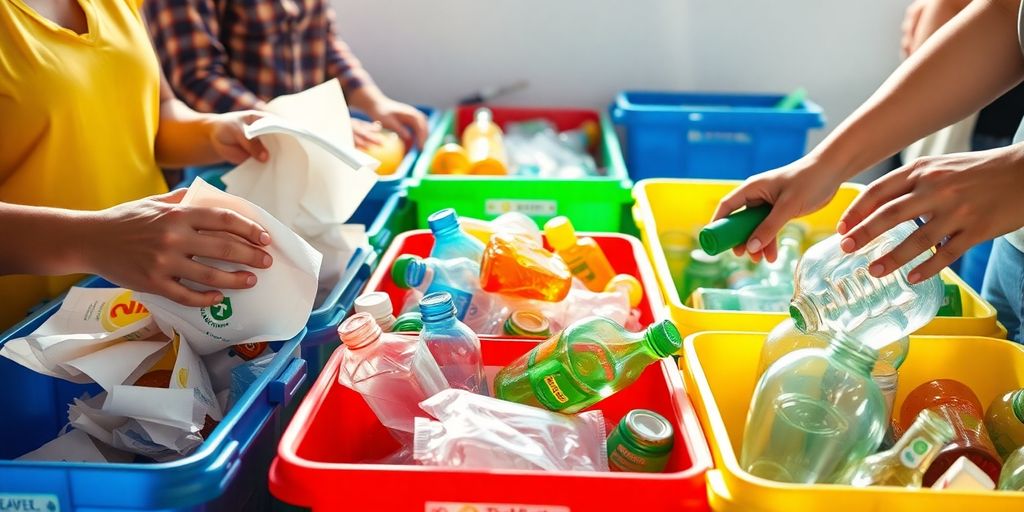
So, you’ve got your reduce, reuse, and recycle goals, but how do you actually make recycling work? That’s where segregation comes in. It’s all about sorting your waste into different categories before it gets picked up. This makes a huge difference for recycling facilities. If you throw everything into one bin, a lot of it can get contaminated and end up in the landfill anyway. Proper sorting means:
- Paper and Cardboard: Keep these dry and clean.
- Plastics: Check the numbers on the bottom to see what your local facility accepts.
- Glass: Rinse out jars and bottles.
- Metals: Aluminum cans and steel tins are usually recyclable.
- Organics: Food scraps and yard waste can often be composted.
- Hazardous Waste: Things like batteries, electronics, and chemicals need special handling.
Doing this correctly helps recycling centers process materials more efficiently and reduces the amount of waste that ends up in landfills. It’s a bit more effort at home, but it pays off for the environment. You can find out more about how sorting impacts the recycling cycle here.
Sustainable Materials in Consumption
Beyond just managing what we throw away, we also need to think about what we bring into our homes in the first place. This means looking at the materials that make up the products we buy. Are they made from recycled content? Are they designed to be durable and long-lasting? Or are they made from virgin resources and destined for a short life?
Consider these points when you’re shopping:
- Packaging: Opt for minimal or recyclable packaging. Buying in bulk can also cut down on packaging waste.
- Product Lifespan: Choose items that are built to last. A well-made tool might cost more upfront, but it won’t need replacing as often as a cheap, flimsy one.
- Material Source: Look for products made from recycled materials or sustainably sourced natural resources. Bamboo, for example, is a fast-growing resource.
Making conscious choices about the materials we consume directly influences the amount and type of waste we generate. It’s about shifting from a disposable mindset to one that values longevity and resourcefulness.
Thinking about these pillars – reduce, reuse, recycle, segregation, and mindful material choices – sets the stage for truly effective waste disposal and a more sustainable lifestyle.
Strategies for Minimizing Waste Generation
Let’s talk about cutting down on the trash we make in the first place. It sounds simple, but it’s actually a big deal for keeping our planet healthy. Think about it: the less stuff we throw away, the less we have to deal with later, whether that’s in landfills or incinerators.
Reducing Consumption and Packaging
This is all about being smarter with what we buy and what we bring home. Buying less stuff overall is the most effective way to reduce waste. Before you grab something, ask yourself if you really need it. Often, we buy things on impulse that just end up cluttering our homes and eventually, the trash. When you do need to buy, try to pick items that don’t have a ton of extra packaging. Those little plastic wrappers on everything? They add up fast. Look for products sold loose or in bulk, and bring your own bags and containers when you shop. It makes a difference.
- Choose products with minimal packaging.
- Opt for reusable shopping bags and produce bags.
- Buy in bulk when possible to reduce individual packaging.
Making conscious choices about what we consume directly impacts the amount of waste we generate. It’s about being mindful of our purchases and their lifecycle.
Extending Product Lifespans Through Reuse
Instead of tossing things out when they’re no longer needed in their original form, think about how they can be used again. This could mean using old jars for storage, turning old t-shirts into cleaning rags, or finding new purposes for items you might otherwise discard. It’s a creative way to save money and keep things out of the landfill. We can all find ways to give items a second life, which is a key part of the reduce, reuse, recycle philosophy.
The Role of Repair and Donation
When something breaks, our first instinct might be to replace it. But what if it could be fixed? Learning basic repair skills, or finding local repair shops, can save a lot of waste. Think about fixing a wobbly chair leg, patching up clothes, or getting electronics repaired instead of buying new ones. If you have items you no longer need but are still in good condition, don’t just throw them out. Donating them to charities or giving them to friends and family is a fantastic way to ensure they get used and loved by someone else. It’s a win-win situation.
Mastering Recycling and Composting Techniques
Getting recycling and composting right can feel like a puzzle sometimes, but it’s really about understanding a few key ideas. Proper sorting is the absolute bedrock of successful recycling. When we toss everything into one bin, valuable materials get contaminated and end up in the landfill anyway. It’s a shame, really, when you think about all the resources that go to waste.
Effective Waste Sorting for Recycling Success
So, what does effective sorting look like? It starts at home, with us. We need to get good at separating things into the right bins. Think paper, plastics, glass, and metals. It’s not just about putting things in different bins, though; it’s about making sure those items are relatively clean. A greasy pizza box, for instance, can ruin a whole batch of paper recycling. It’s a bit of a learning curve, but once you get the hang of it, it becomes second nature.
Composting Organic Materials for Soil Enrichment
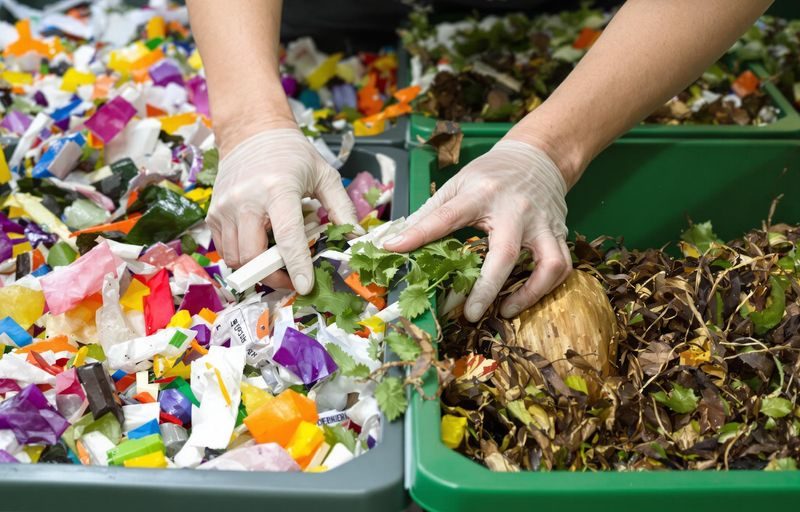
Composting is another fantastic way to deal with waste, especially food scraps and yard trimmings. Instead of sending all that organic stuff to the landfill where it just creates methane gas, we can turn it into something useful: compost. This nutrient-rich material is like gold for your garden, helping plants grow strong and healthy. You can do it at home with a simple bin, or many communities have programs for collecting organic waste. It’s a win-win: less waste in landfills and better soil for growing things. If you’re looking to start, checking out local resources can be really helpful for getting started with composting.
Handling Specialty Waste Streams Safely
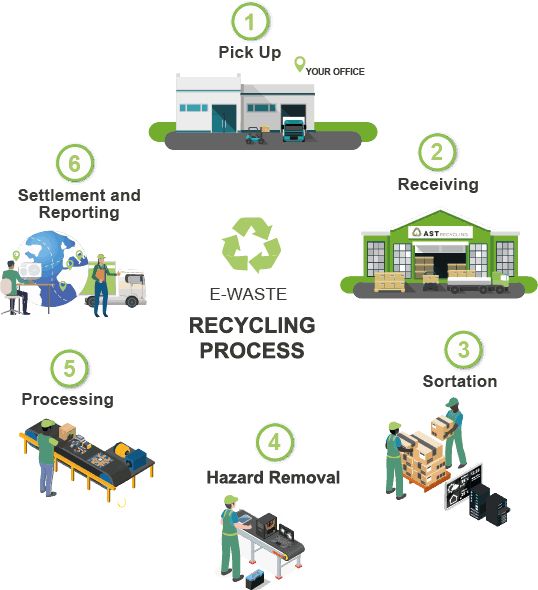
Then there are those tricky items – things like batteries, electronics, or certain chemicals. These are what we call specialty waste streams, and they need special handling. You can’t just toss a battery in the regular trash or recycling bin. They often contain materials that can be harmful if not disposed of properly. Finding out where to take these items, like local hazardous waste collection sites or electronics recycling centers, is super important. It protects our environment and makes sure those materials are managed safely.
Here’s a quick rundown of common specialty items and how to approach them:
- Electronics (E-waste): Look for dedicated e-waste recycling events or drop-off locations.
- Batteries: Many stores have battery collection bins, or check for local hazardous waste facilities.
- Light Bulbs: Some types, like fluorescent bulbs, contain mercury and need special disposal.
- Old Medications: Never flush them; look for pharmacy take-back programs.
Dealing with specialty waste might seem like a hassle, but it’s a vital part of responsible waste management. It prevents pollution and allows for the recovery of valuable components.
Advanced Approaches to Waste Management
Beyond the basics of sorting and composting, there are some really interesting ways we can tackle waste that go a bit further. Think of it as giving trash a second life, or even better, preventing it from becoming trash in the first place. It’s about being smarter with what we have.
Upcycling: Transforming Waste into Value
Upcycling is like giving old stuff a makeover and turning it into something new and often more valuable. Instead of just recycling, where materials are broken down to make similar items, upcycling keeps the original form of the material but transforms it into something different. For example, old tires can become garden planters, or glass bottles can be turned into unique light fixtures. It’s a creative way to reduce waste and make cool new things. The key is imagination and seeing potential where others see junk.
Circular Economy Principles for Waste Reduction
This is a bigger idea that’s gaining traction. The circular economy is all about keeping resources in use for as long as possible, getting the most value out of them, and then recovering and regenerating products and materials at the end of their service life. It’s the opposite of the old ‘take-make-dispose’ model. Think about products designed to be repaired, reused, or easily disassembled for recycling. It’s a system designed to eliminate waste and pollution. We’re seeing more companies looking at product-as-a-service models where you pay for the use of a product, not just own it, which encourages manufacturers to make things that last and are easy to fix.
Energy Recovery from Waste Processing
Sometimes, waste just can’t be reduced, reused, or recycled. That’s where energy recovery comes in. This involves processes like incineration with energy capture, where the heat generated from burning waste is used to produce electricity or heat. It’s a way to get some value out of materials that would otherwise end up in a landfill. However, it’s important to do this carefully, as the technology needs to be advanced to minimize air pollution. It’s a step up from just burying everything, but it’s still lower on the waste hierarchy than reducing or recycling.
The Regulatory Landscape of Waste Disposal
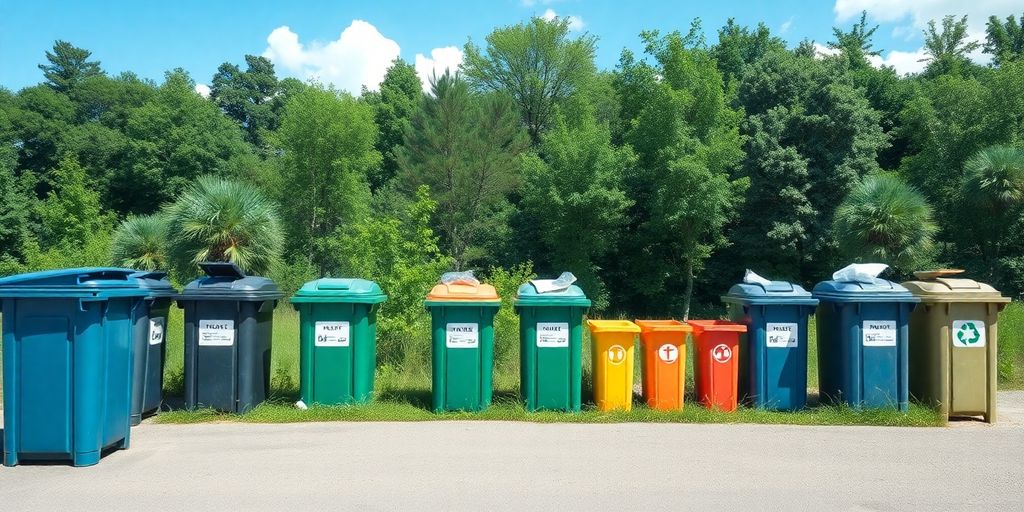
When we talk about getting our waste sorted out properly, we can’t ignore the rules and laws that are in place. These aren’t just suggestions; they’re the backbone of how we manage trash and keep our environment from getting too messed up. Different laws cover different types of waste and how they need to be handled. It can feel like a lot to keep track of, especially if you’re running a business or even just trying to do the right thing at home.
Navigating Environmental Laws and Regulations
There are several key pieces of legislation that shape how we deal with waste. For instance, the Resource Conservation and Recovery Act (RCRA) is a big one that deals with both hazardous and non-hazardous solid waste. Then there’s the Comprehensive Environmental Response, Compensation, and Liability Act (CERCLA), which gives the government the power to step in when hazardous substances are released. We also have the Clean Air Act (CAA) for emissions and the Safe Drinking Water Act (SDWA) to protect our water. Understanding these laws helps everyone, from big companies to individuals, know what’s expected.
- RCRA: Manages hazardous and non-hazardous solid waste.
- CERCLA: Addresses releases of hazardous substances.
- CAA: Regulates air emissions.
- SDWA: Protects drinking water quality.
Keeping up with these regulations is key. It’s not just about avoiding fines; it’s about genuinely protecting our planet. Think of it like following traffic laws – they’re there to keep everyone safe.
Compliance in Construction Waste Management
Construction sites, in particular, have a lot of waste to deal with, and they have to follow specific rules. To make sure they’re compliant, sites often need permits, do regular checks on their waste handling, and train their workers on what the regulations say. Using checklists can really help keep track of everything and make sure nothing gets missed. It’s all about making sure that the debris from building doesn’t end up causing environmental problems down the line.
The Impact of Policy on Waste Reduction
Policies play a huge role in encouraging us to reduce waste in the first place. When governments put rules in place that favor recycling, reuse, or even penalize excessive waste, it pushes everyone to think more carefully about what they’re throwing away. This can range from incentives for businesses that adopt greener practices to rules about packaging. Ultimately, good policy helps steer us toward a more sustainable way of living and consuming.
Community and Consumer Roles in Effective Waste Disposal
Promoting Eco-Conscious Consumption Habits
It all starts with us, really. Think about it: every time we buy something, we’re essentially creating a future piece of waste. So, being mindful about what we bring into our homes makes a huge difference. This means looking at packaging – can we choose items with less plastic or opt for refillable options? It’s about asking ourselves if we truly need something before clicking ‘buy’ or heading to the checkout. Sometimes, just pausing to consider the lifecycle of a product, from its creation to its eventual disposal, can steer us toward more sustainable choices. We can also make a point to support businesses that are actively trying to reduce their environmental footprint. Making small, conscious decisions daily adds up to a significant impact over time.
Spreading Awareness for Sustainable Practices
Once we get a handle on our own habits, the next step is sharing that knowledge. Talk to your friends, family, and neighbors about why waste reduction matters. Maybe you can organize a neighborhood cleanup or start a composting initiative. Even simple conversations can spark interest and encourage others to think differently about their waste. It’s not about being preachy, but more about sharing what you’ve learned and the positive changes you’ve seen. Resources are out there to help, like guides on proper sorting or local recycling programs. Getting involved in community initiatives can also be a great way to learn and contribute. Remember, a collective effort is far more powerful than individual actions alone. We can all play a part in creating a more sustainable future.
Supporting Businesses with Eco-Friendly Initiatives
Our purchasing power is a serious tool. When we choose to buy from companies that prioritize sustainability, we send a clear message. Look for businesses that use minimal or recyclable packaging, offer repair services, or have take-back programs for their products. Supporting these companies not only helps them thrive but also encourages other businesses to adopt similar practices. It’s a way of voting with our wallets for a healthier planet. You might be surprised at how many local businesses are already making great strides in this area. Checking out resources that highlight eco-friendly businesses can be a good starting point. By backing these efforts, we help build a market that values environmental responsibility, making it easier for everyone to make sustainable choices. This creates a positive feedback loop that benefits us all.
Moving Forward: Making Waste Management a Habit
So, we’ve talked a lot about how to handle trash better, from sorting things out to thinking about what we buy. It’s not always easy, and sometimes it feels like a lot of effort. But honestly, making these small changes, like using a reusable bag or making sure your plastics go in the right bin, really does add up. It’s about building these habits so they become second nature. By doing our part, we’re not just cleaning up our own spaces, but we’re helping out the planet too. Let’s keep this going and make a real difference, one piece of trash at a time.
Frequently Asked Questions
What’s the best way to make less trash in the first place?
Think about what you buy! If you use less stuff, you make less trash. For example, choose items with less packaging, or bring your own bags to the store. It’s like saying, ‘I don’t need all this extra stuff!’
Why is sorting trash so important?
It means sorting your trash into different bins. Put paper with paper, plastic with plastic, and food scraps in a separate bin for composting. This helps recycling centers sort things easily and makes sure good materials don’t get thrown away.
How can I reuse things instead of throwing them away?
You can reuse things like water bottles or shopping bags. Also, if something breaks, try fixing it instead of buying a new one. Giving away things you don’t need anymore is also a great way to reuse them.
What is composting and why do people do it?
Composting is like making super-soil from food scraps and yard waste. It helps reduce the amount of trash going to the dump and makes your garden healthy. Things like fruit peels and leaves are great for composting.
What does ‘upcycling’ mean?
Upcycling is turning old things into something new and useful, like making a cool craft out of old jars. It’s a creative way to give trash a new life and avoid throwing it away.
How can I help my community be better at managing trash?
Everyone can help! You can tell your friends and family about recycling, choose products that are good for the environment, and support stores that try to reduce waste. Small actions by many people make a big difference.