Managing the trash we produce can feel like a chore, but getting it right makes a big difference for our homes and the planet. It’s not just about tossing things in a bin; it’s about being smart with what we use and how we get rid of it. This article will walk you through some simple ways to get better at garbage collection, from sorting your recyclables to making sure you’re not creating more waste than you need to. Let’s make garbage collection less of a hassle and more of a habit that helps.
Key Takeaways
- Adopt the ‘Reduce, Reuse, Recycle’ mindset to cut down on what you throw away.
- Establish a steady schedule for taking out trash and cleaning bins to keep your home tidy.
- Know what kinds of trash your house makes and sort them properly for easier management.
- Set up separate bins for different waste types and teach everyone in the house how to use them.
- Learn about composting food scraps and what your local area accepts for recycling to handle waste responsibly.
Mastering Garbage Collection: Reduce, Reuse, Recycle
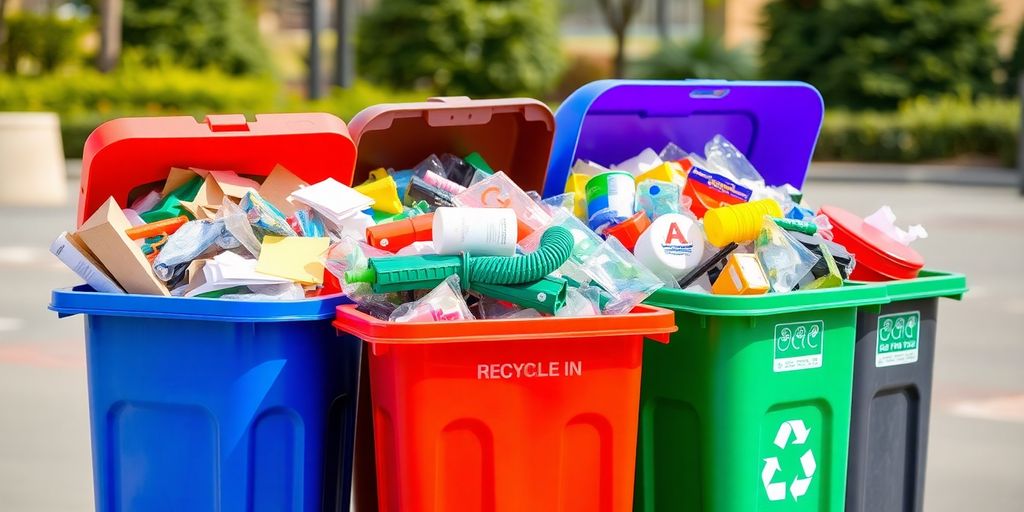
Getting a handle on your household trash isn’t just about making sure the bins get picked up on time. It’s really about thinking differently about what we throw away. The whole idea of “Reduce, Reuse, Recycle” is the bedrock of managing waste smartly. It’s not just a catchy phrase; it’s a practical approach to cutting down on what ends up in landfills and making the most of the stuff we already have. Think of it as a hierarchy, where reducing what you use in the first place is the most impactful step.
Embracing the ‘Reduce, Reuse, Recycle’ Philosophy
This philosophy is all about a smarter way to consume. Reducing means buying less and choosing items that don’t create a lot of waste to begin with, like produce without excessive plastic packaging. Reusing involves finding new purposes for items or using them multiple times – think reusable water bottles or grocery bags. Finally, Recycling is what we do when an item has reached the end of its current life, turning it back into something new. It’s a cycle that helps conserve resources and lessens our environmental footprint. Learning about the waste hierarchy is a good starting point for understanding how these steps work together [f762].
Minimize Waste Generation Through Conscious Choices
Making conscious choices daily can significantly cut down the amount of trash you produce. Before buying something, ask yourself if you really need it. Can you borrow it, or perhaps find it secondhand? Opting for products with minimal packaging is another big win. Even small changes, like switching to a reusable coffee cup or saying no to plastic straws, add up. It’s about being mindful of consumption and its impact.
Maximize Resource Efficiency with Reuse and Repurposing
Don’t just toss things when they seem old or worn out. Many items can be given a second life. Old clothes can become cleaning rags or be turned into new items through simple sewing projects. Glass jars are perfect for storing dry goods or organizing small items. Even furniture can often be repaired or refinished rather than replaced. Look for opportunities to repurpose items around your home; it saves money and keeps usable materials out of the landfill. Donating items you no longer need is also a fantastic way to promote reuse and help others.
Thinking about how we use and discard items is key. It’s not just about the final disposal, but the entire lifecycle of a product and how we can extend it.
Here’s a quick look at how these principles apply:
- Reduce: Buy less, choose items with less packaging, use less energy.
- Reuse: Use items multiple times, repair things, donate unwanted goods.
- Recycle: Sort materials properly for processing into new products.
By actively practicing these steps, we contribute to a more sustainable system and reduce the burden on our planet’s resources.
Establishing Effective Garbage Collection Routines
Setting up a solid garbage collection routine is key to keeping your home tidy and managing waste effectively. It might seem like a chore, but getting into a rhythm makes a big difference. Think of it like any other household task; consistency is what makes it work.
Develop a Regular Trash Removal Schedule
Having a set day or days for taking out the trash and recycling is super helpful. It prevents bins from overflowing and becoming a smelly problem. Plus, knowing when the collection happens means you won’t miss a pickup. Many places have specific collection days, so it’s good to know yours. For instance, some areas require bins to be at the curb by a certain time, like 7 p.m. the night before, to keep streets clear [0865]. Sticking to this schedule means less clutter inside and a cleaner neighborhood outside.
Empty Indoor Bins Promptly
Don’t wait for the kitchen trash can to be completely stuffed before you empty it. Regularly emptying smaller bins around the house, even if they’re not totally full, makes the big job of taking out the trash much easier. It’s a good idea to do a quick sweep of all your indoor bins every few days or at least once a week. This habit stops smells from building up and prevents those little messes that happen when a bin is just too full. It’s especially smart to clear out the fridge of any old food the night before trash day.
Maintain Cleanliness of Trash Areas
Let’s be honest, sometimes things miss the bin, or spills happen. Over time, the areas around your trash cans and the bins themselves can get pretty grimy. This isn’t just about looks; it can attract pests and create unsanitary conditions, especially in the kitchen. Making it a habit to quickly clean up spills, sweep around the bins, and give the bins a wipe-down now and then keeps things much more pleasant. A little effort here goes a long way in preventing bigger issues down the line.
Smart Strategies for Household Garbage Collection
Getting a handle on your household garbage is more than just hauling bins to the curb. It’s about being smart with what you toss. First off, you really need to know what you’re dealing with. Take a look at what’s filling up your trash cans most often. Is it mostly food scraps? Lots of cardboard? Plastic packaging? Knowing this helps you figure out where to make changes.
Assess and Identify Household Waste Types
This is the starting point. You can’t manage what you don’t understand. So, let’s break down the common culprits. We’ve got organic stuff like food scraps and yard waste. Then there are recyclables – paper, cardboard, certain plastics, glass, and metal. Don’t forget the tricky ones: hazardous materials like batteries, old paint, or cleaning fluids. And finally, the rest, the non-recyclables that usually end up in the landfill. Understanding these categories is the first step to smarter disposal.
Estimate Waste Quantities for Planning
Once you know what you’re throwing away, try to get a sense of how much. Do you fill a large bin every week? Or just a small bag? Maybe you have a separate bin for recycling that’s overflowing. This isn’t about exact measurements, just a general idea. It helps you plan for bin sizes and how often you might need to take things out. For instance, if your compost bin is always full, you might need a bigger one or a more frequent pickup schedule for that specific stream. It’s about matching your disposal capacity to your actual output.
Implement Proper Waste Segregation
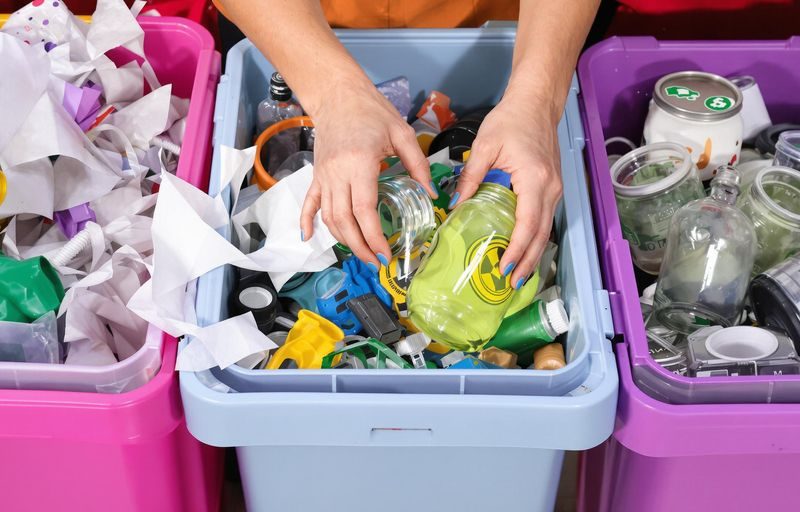
This is where the rubber meets the road. Segregation means sorting your waste into different categories right at home. It makes recycling and composting much easier and more effective. You’ll want to set up a system. Think about having separate containers for recyclables, compostables, and general trash. Making sure everyone in the house knows what goes where is key. It might seem like a bit of work at first, but it makes a huge difference in the long run. Proper segregation is a cornerstone of effective waste management, turning potential landfill fodder into resources. You can find local guidelines on what is accepted for recycling, which is a good place to start when setting up your system. For example, knowing which plastics are accepted can save you from contaminating a whole batch of recyclables. Check out the local recycling guidelines for specifics in your area.
Optimizing Your Garbage Collection with Sorting
Sorting your household waste is a big step towards making garbage collection more efficient and, honestly, a lot less messy. It’s not just about tossing things into different bins; it’s about understanding what goes where and why. This makes the whole process smoother, from your kitchen bin to the curb, and even further down the line to recycling centers or compost facilities.
Set Up Dedicated Sorting Bins
Having the right setup at home makes all the difference. You don’t need fancy, expensive bins to start. Simple, clearly labeled containers are perfect. Think about what you generate most: recyclables, compostables, and general trash. You might need a separate bin for glass, one for paper and cardboard, and another for plastics and metals. For food scraps, a small countertop bin that you empty into a larger outdoor compost bin works well. The key is to make sorting as easy as possible right where the waste is created. This reduces the chance of contamination and makes the whole system work better.
Educate Household Members on Sorting
This is where the real work happens, right? Getting everyone in the house on board is important. Kids can learn, and adults can sometimes use a refresher. Keep the labels on the bins clear and maybe even have a small chart nearby explaining what goes in each. It’s about building a habit. If everyone knows the rules, there’s less confusion and less chance of recyclable items ending up in the trash, or vice versa. A quick chat before you start a new routine can go a long way.
Prepare Recyclables Correctly
This part is super important for recycling plants. Just tossing a dirty jar into the recycling bin isn’t enough. Most places want you to rinse out containers to remove food residue. Flattening cardboard boxes saves space in your bin and in the collection trucks. For plastics, check the numbers – not all plastics are accepted everywhere. Proper preparation means more materials actually get recycled. It might seem like a small thing, but it has a big impact on the effectiveness of the entire recycling system. You can find out more about specific preparation needs from your local waste management service, which often has detailed guidelines on their website.
Advanced Garbage Collection: Composting and Recycling
Taking your waste management to the next level often means getting serious about composting and recycling. These aren’t just buzzwords; they’re practical ways to cut down what goes to the landfill and give materials a second life. It’s about being smarter with what we use and toss.
Compost Organic Waste Effectively
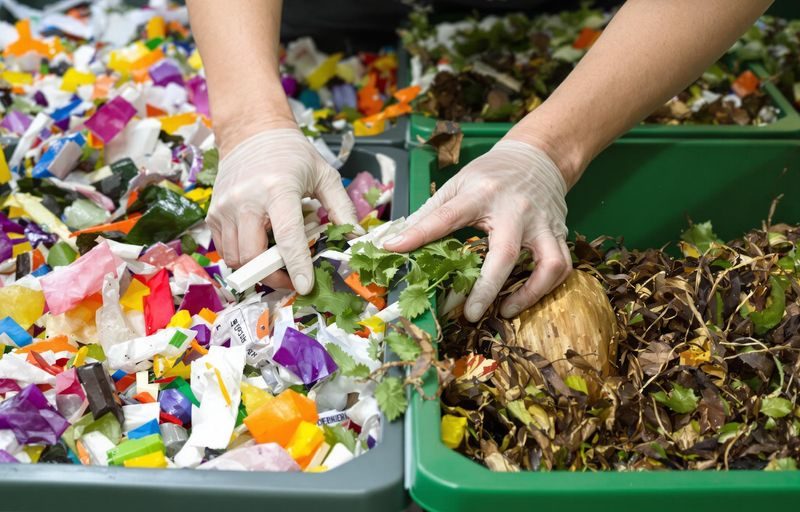
Composting is basically nature’s way of recycling. You take things like fruit and veggie scraps, coffee grounds, and yard waste, and with a little help from microbes, they turn into rich soil. This compost is fantastic for your garden, giving plants the nutrients they need. To get started, you just need a bin. Pick a spot that gets some air. Layer your “greens” (like food scraps) with “browns” (like dry leaves or shredded paper). Keep it a bit damp, like a wrung-out sponge, and turn it every so often to let air in. It takes time, maybe a few weeks to a few months, but the result is black, crumbly gold for your plants. Just remember to skip the meat, dairy, and oily stuff, as that can attract pests and slow things down.
Understand Local Recycling Guidelines
Recycling seems straightforward, but honestly, it can get confusing. Every town or city has its own rules about what they can and can’t take. It’s super important to know your local guidelines to make sure your efforts actually count. Putting the wrong thing in the bin can contaminate a whole batch, meaning it all ends up in the trash anyway. Most places have websites or flyers that break down exactly what goes where. Look for symbols on packaging, but always double-check with your local waste management service. They’ll tell you if it’s paper, cardboard, certain plastics, glass, or metal that they accept.
Recycle Paper, Metal, and Plastic Materials
When you’re sorting, paper products like newspapers, mail, and cardboard boxes are usually good to go, as long as they aren’t greasy or coated. Metal items, like aluminum cans and steel food cans, are also highly recyclable. Just give them a quick rinse. Plastics can be trickier. Look for the recycling symbol with a number inside. Your local program will specify which numbers they accept. Generally, numbers 1 and 2 are widely accepted, but it varies a lot. Rinse out containers and flatten cardboard to save space. It might seem like a small thing, but doing it right makes a big difference in how much actually gets recycled.
Responsible Disposal in Garbage Collection
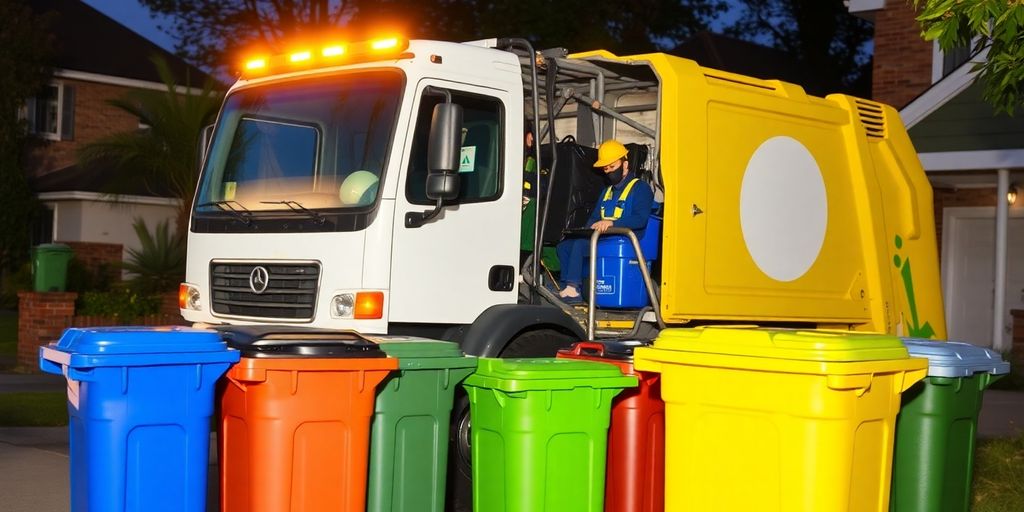
Handle Hazardous Waste Safely
Some things we toss out aren’t your typical kitchen scraps or paper. We’re talking about hazardous waste, and it needs a bit more care. Think old batteries, leftover paint, cleaning chemicals, or even old electronics. These items can be harmful to the environment and our health if they end up in the wrong place, like a regular landfill or down the drain. It’s really important to know what counts as hazardous waste in your home. Check the labels on products, and if you’re unsure, a quick search online or a call to your local waste management can clear things up. Proper disposal usually means taking these items to special collection sites or events. Don’t just chuck them in the regular bin; that’s a big no-no.
Monitor Waste Disposal Practices
So, you’ve got your bins sorted and you’re trying to be good about recycling. That’s awesome. But how do you know if it’s actually working? The trick is to pay attention to what you’re throwing away. Take a peek in your trash can now and then. Seriously, just a quick look. You might be surprised to see how much stuff is in there that could have been recycled or composted. Maybe you’re tossing out a lot of food scraps, or perhaps there’s a pile of plastic containers that should have gone in the blue bin. Seeing this stuff helps you figure out where you can improve.
Adjust Practices Based on Observations
Once you’ve done that little trash audit, it’s time to make some changes. If you noticed a ton of food waste, maybe it’s time to finally get that compost bin going. If you’re seeing too many plastic bottles, make a conscious effort to grab reusable ones instead. It’s all about tweaking your habits based on what you see. Small adjustments can really add up over time, making a big difference in how much waste you’re sending to the landfill. It’s a continuous process, really – you keep an eye on things and adjust as needed.
Influencing Others in Garbage Collection Practices
It’s easy to get caught up in our own household waste habits, but making a difference often means looking beyond our own four walls. When we start managing our trash better, it’s natural to want to share what we’ve learned. Spreading the word about good waste management can have a big impact. Think about it – if everyone in your neighborhood adopted even a few simple practices, the collective effect would be huge.
Promote Sustainable Practices Socially
This is all about making eco-friendly habits visible and normal. Encourage your family, friends, and neighbors to join in. Start casual conversations about why reducing, reusing, and recycling matters. Maybe suggest using reusable water bottles or shopping bags instead of single-use plastics. When people see others doing it, they’re more likely to try it themselves. It creates a positive vibe where taking care of the environment feels like a community effort, not a chore.
Share Knowledge on Waste Management
Once you’ve got a handle on things like composting or how to sort recyclables correctly, don’t keep it to yourself! Share what you know. This could be as simple as showing a neighbor how to set up their recycling bin or explaining why certain items can’t go in the regular trash. You could even organize a small neighborhood workshop or create a simple flyer with tips. The more people understand the ‘why’ and ‘how,’ the more likely they are to participate effectively.
Educate and Influence Your Community
Taking it a step further, you can actively work to educate and influence your wider community. This might involve getting involved with local environmental groups, writing to your local representatives about waste management issues, or supporting community clean-up events. The goal is to build a shared understanding and commitment to better waste practices. It’s about creating a culture where responsible waste management is a priority for everyone, not just a few individuals.
Small actions, when multiplied across a community, can lead to significant environmental improvements. It’s about building momentum and making sustainability a shared value.
Wrapping It Up: Your Path to Better Waste Habits
So, we’ve gone over a lot of stuff about managing trash and recycling. It might seem like a lot at first, but really, it boils down to a few key things. Start by just paying attention to what you throw away. Setting up a few bins makes sorting way easier, and getting the family involved helps too. Little changes, like choosing reusable items or buying in bulk when you can, really add up. Plus, keeping up with taking out the trash and cleaning up those bins keeps your place from getting gross. It’s all about building habits that stick, making things cleaner for you and better for the planet. Give it a shot, and you might be surprised how much of a difference it makes.
Frequently Asked Questions
What does “Reduce, Reuse, Recycle” really mean?
Think of “Reduce, Reuse, Recycle” as a game plan for trash. Reduce means making less trash in the first place, like buying things with less packaging. Reuse means using things again, like water bottles or old clothes. Recycle means turning old stuff into new stuff, like paper into new paper.
Why is having a regular trash day important?
It’s super important to have a schedule for taking out the trash and recycling. This stops bins from overflowing and making your home messy or smelly. Doing it regularly keeps your living space clean and pleasant.
How does sorting trash help?
You should sort your trash into different bins for things like paper, plastic, glass, and food scraps. This makes it easier to recycle and prevents bad stuff from getting mixed with good stuff. It’s like organizing your toys so you can find them easily.
What is composting and why should I do it?
Composting is like giving your food scraps and yard waste a new life! Instead of throwing them away, you can turn them into healthy soil for plants. It’s a great way to cut down on what goes to the landfill.
How can I get better at managing my household trash?
First, figure out what kinds of trash you make the most of. Then, try to buy less stuff or choose things that don’t create much waste. Also, check what your local recycling center accepts so you can sort your items correctly.
How can I encourage others to manage their trash better?
You can talk to your family and friends about why it’s important to reduce waste. Share tips on how to recycle right or start composting. When everyone helps out, we can make a big difference for the planet!