Dealing with our trash can feel like a chore, but honestly, it’s super important for keeping our planet healthy. We all make waste, and how we handle it makes a big difference. This guide is all about making proper waste disposal less of a mystery and more of a habit. We’ll cover the basics, from sorting things out at home to understanding why it matters so much for the environment. Let’s get started on making our waste habits better.
Key Takeaways
- Proper waste disposal is key to protecting our environment and health.
- Sorting waste at home makes recycling and composting easier.
- Reducing consumption and reusing items are the first steps before recycling.
- Hazardous materials need special care to avoid polluting the environment.
- Working together in our communities helps everyone manage waste better.
Understanding the Importance of Proper Waste Disposal
It’s easy to just toss things away without a second thought, right? But honestly, how we handle our trash has a pretty big impact. We’re talking about more than just keeping our streets clean; it’s about the health of our planet and ourselves.
The Growing Crisis of Waste Management
Our world is producing more waste than ever before. Think about all the packaging, the single-use items, and the stuff we just don’t need anymore. All of it has to go somewhere. Landfills are filling up fast, and when waste isn’t managed right, it can really mess things up.
Consequences of Improper Waste Handling
When trash isn’t disposed of properly, it can cause a lot of problems. It can pollute our soil and water, which isn’t good for plants, animals, or us. Burning trash in the open releases harmful fumes into the air we breathe. Plus, improperly handled waste can attract pests and spread diseases. It’s a chain reaction that affects everyone.
Your Role in a Sustainable Future
So, what can we do? A lot, actually. Learning how to sort our waste, reducing what we use in the first place, and making sure we recycle what we can are all simple steps that add up. It’s about being more mindful of our consumption and making choices that help, not hurt, the environment. Every little bit counts towards a healthier planet for everyone.
Mastering Waste Segregation at Home
Alright, let’s talk about sorting your trash. It sounds simple, but doing it right makes a huge difference for our planet. Think of it as the first real step in making sure our waste doesn’t just pile up and cause problems. It’s about giving materials a chance to be used again instead of just ending up in a landfill.
Identifying Different Waste Categories
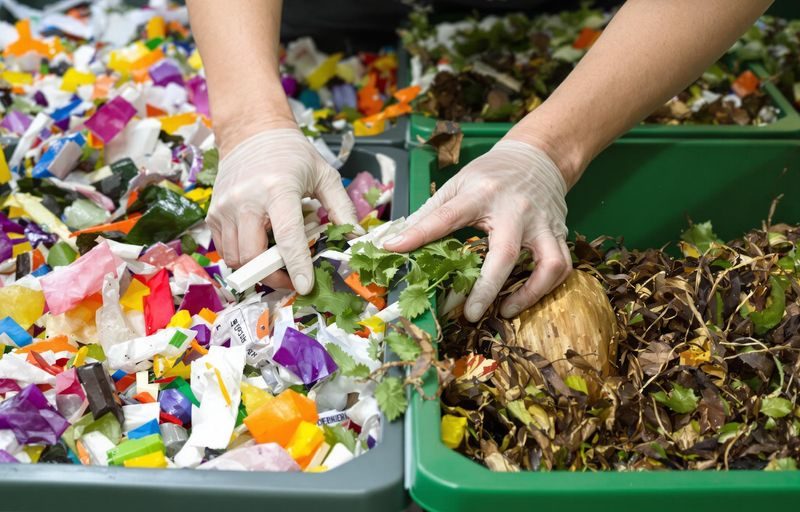
So, what are we actually sorting? Mostly, it breaks down into a few main groups. You’ve got your recyclables – things like paper, cardboard, plastic bottles, and metal cans. Then there’s organic waste, which is basically anything that used to be alive, like food scraps and yard trimmings. Don’t forget hazardous waste – this includes stuff like old batteries, paints, and electronics; these need special handling. And finally, there’s general waste, the stuff that doesn’t fit into the other categories and usually goes to the landfill.
Steps to Effectively Segregate Your Waste
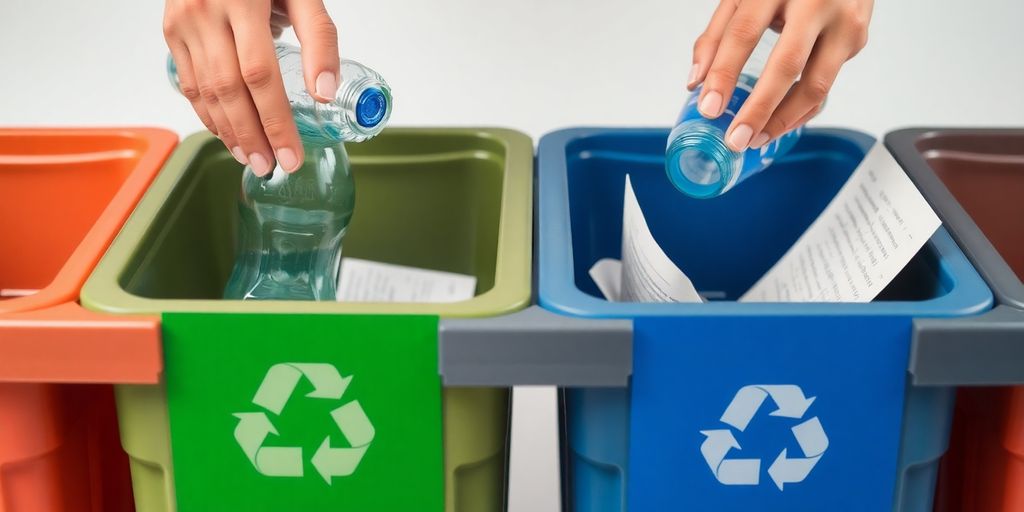
Getting this right at home is pretty straightforward once you know how. First, you need to identify what goes where. Make sure your recyclables are clean and dry before tossing them in the blue bin. Food scraps and yard waste can go into a compost bin, which is great for your garden. Hazardous items? Those need a separate, safe spot until you can take them to a proper disposal site. Everything else is general waste.
Utilizing Separate Containers for Proper Disposal
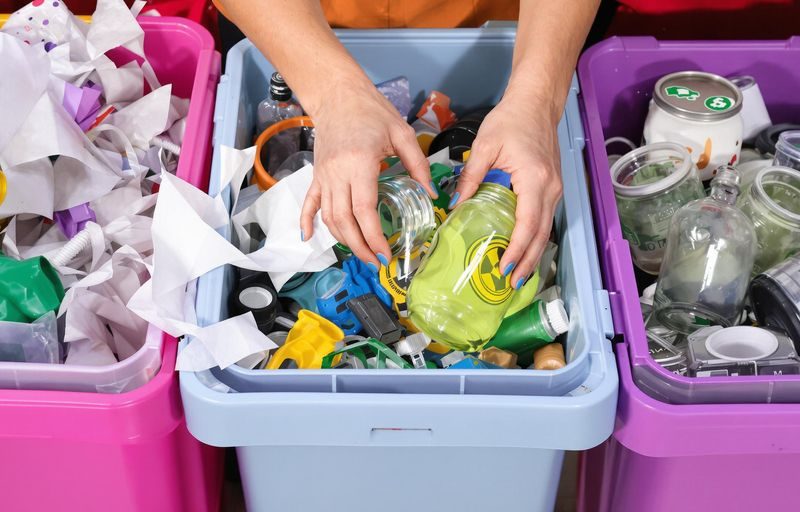
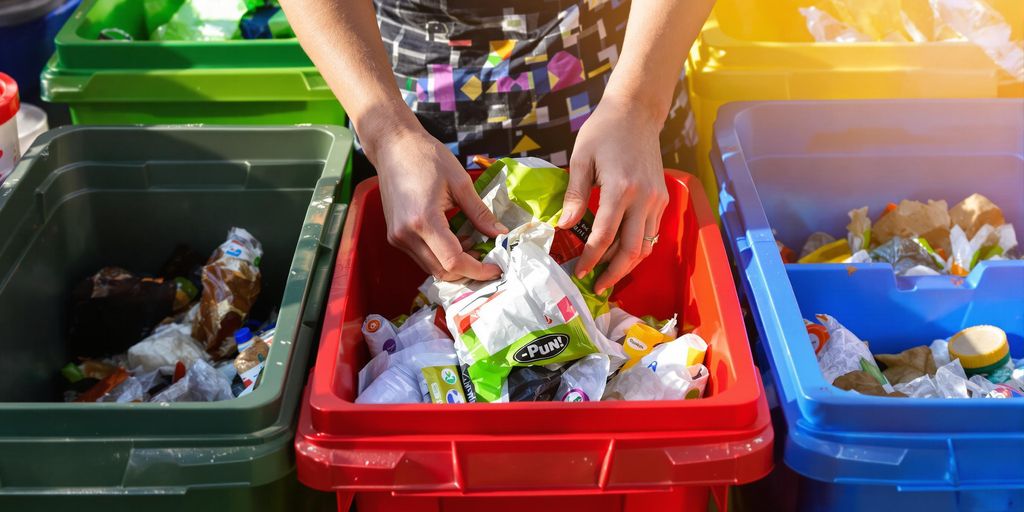
Having the right bins makes all the difference. You’ll want a bin for recyclables, maybe even separate ones for paper and plastics if your local service prefers. A compost bin is a must for food scraps. For hazardous materials, keep them in a secure container away from kids and pets. And, of course, a bin for your general waste. Having clearly labeled containers makes it easy for everyone in the household to sort correctly. It might seem like a small thing, but it really helps keep things organized and prevents contamination of recyclables. You can find more tips on responsible disposal at local waste services.
Proper waste segregation is a vital component of effective waste management. By identifying different types of waste, using separate containers, educating household members or employees, and disposing of hazardous waste responsibly, you can significantly reduce your environmental footprint and contribute to a more sustainable future.
Embracing the Reduce, Reuse, Recycle Philosophy
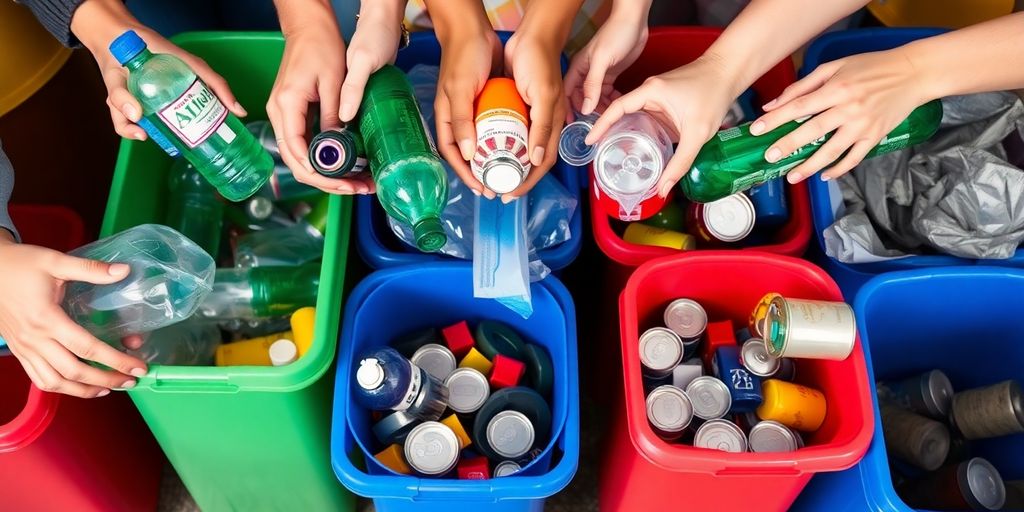
This whole idea of “Reduce, Reuse, Recycle” isn’t just some catchy slogan; it’s really the backbone of dealing with our trash in a smarter way. Think about it – we’re using up resources pretty fast, and just tossing things away isn’t a long-term plan. Making an effort to cut down on what we buy and use is the first, and maybe most important, step. It means being more mindful about our purchases and thinking about the whole lifecycle of an item before we even bring it home.
Minimizing Waste Generation
So, how do we actually cut down on the stuff we throw out? It starts with being a bit more conscious. Instead of grabbing that single-use plastic water bottle, bring your own reusable one. When you’re grocery shopping, try to pick items with less packaging, or even better, bring your own bags and containers. Buying in bulk can also cut down on packaging waste. It’s about shifting our habits from convenience to consciousness. We don’t need a handful of people doing zero waste perfectly; we need millions of people doing it imperfectly. Choosing products made of recyclable materials is a good start, and avoiding single-use plastics is a big win. Supporting businesses that are trying to be more sustainable also sends a message.
Giving Items a Second Life
This is where “reuse” comes in. Before you toss something, ask yourself if it can be used again, maybe for something different. Old jars can become storage containers, worn-out clothes can be turned into cleaning rags, or you can donate items you no longer need. Repairing things instead of replacing them is also a huge part of this. Think about fixing that wobbly chair or patching up those jeans. It saves money and keeps stuff out of the landfill. Sharing or borrowing items you don’t use often, like tools or special equipment, is another great way to reuse without owning. It’s amazing what you can do with a little creativity, turning what might seem like trash into something useful again.
The Power of Recycling Materials
Recycling is the last line of defense, but it’s still super important. When we recycle things like paper, plastic, glass, and metal, they can be turned into new products. This saves energy and natural resources that would otherwise be used to make things from scratch. It’s vital to know what can and can’t be recycled in your area, though. Contamination can mess up entire batches of recyclables. So, rinsing out containers and making sure you’re putting the right things in the right bins makes a big difference. Participating in local recycling programs and drop-off centers helps ensure these materials get processed correctly. It’s a collective effort that really adds up.
Responsible Disposal of Hazardous Materials
So, we’ve talked about sorting out our regular trash and recycling, but what about the stuff that’s a bit more… tricky? I’m talking about hazardous materials. These aren’t your everyday coffee grounds or junk mail; they’re things that can really mess with the environment and our health if they end up in the wrong place. Think old paint cans, used batteries, cleaning chemicals, and even old electronics. These items need special handling to avoid contaminating our soil and water.
Understanding Hazardous Waste Types
It’s pretty important to know what counts as hazardous. Generally, if something is flammable, corrosive, reactive, or toxic, it’s probably in this category. This includes things like:
- Paints, solvents, and thinners: Leftover liquids from home improvement projects.
- Batteries: Especially rechargeable ones and car batteries, which contain heavy metals.
- Electronics (E-waste): Old computers, phones, and TVs often have lead, mercury, and other nasty stuff.
- Pesticides and herbicides: Garden chemicals can be quite potent.
- Automotive fluids: Used motor oil, antifreeze, and brake fluid.
- Fluorescent light bulbs: These contain mercury.
Utilizing Collection Events and Facilities
Okay, so you’ve identified some hazardous waste. Now what? You can’t just toss it in the regular bin. The best bet is to look for local hazardous waste collection events. Many towns and cities host these periodically, where you can drop off your hazardous items safely. If there aren’t events happening, check for permanent hazardous waste disposal facilities in your area. These places are equipped to handle these materials properly. It’s worth checking your local government’s website for details on hazardous waste regulations.
Preventing Environmental Contamination
When we don’t dispose of hazardous waste correctly, the consequences can be pretty serious. Chemicals can leach into the ground, polluting our soil and groundwater. Heavy metals from batteries and electronics can accumulate in the environment, harming wildlife and eventually making their way into our food chain. Even something as simple as pouring old paint down the drain can cause problems for wastewater treatment systems. By taking the extra step to use designated collection sites or events, you’re actively preventing this contamination and protecting the planet. It’s a small effort that makes a big difference.
Community Action and Awareness for Waste Reduction
It’s easy to feel like our individual actions don’t make much of a difference when it comes to the massive issue of waste. But honestly, that’s not the case at all. When we get together as a community, our impact can be huge. Think about it: if everyone in your neighborhood starts recycling properly, or if your workplace implements a better system for reducing paper waste, that’s a lot of material diverted from landfills.
Promoting Eco-Friendly Practices
Getting the word out about being kinder to the planet is key. This means talking to your neighbors, sharing tips on social media, or even organizing a local clean-up event. When we make eco-friendly practices visible and accessible, more people are likely to join in. It’s about building a shared understanding that taking care of our environment is a group effort. Supporting community recycling awareness programs is a great way to start.
Educating Household Members and Employees
Education is a big part of this. Make sure everyone in your home knows how to sort waste correctly. If you’re in a workplace, encourage training sessions on waste reduction and proper disposal. Simple things like clear signage on bins or a quick reminder during a team meeting can make a real difference. The more informed people are, the better they can participate.
The Collective Impact of Waste Management
When we all pitch in, the results are pretty amazing. Imagine a town where almost no recyclable material ends up in the trash, or where single-use plastics are noticeably less common. That’s the power of collective action. It’s not just about following rules; it’s about creating a culture where sustainability is the norm. This shared responsibility helps protect our local environment and contributes to a healthier planet overall.
Small, consistent actions by many people add up to significant change. It’s about building habits that benefit everyone.
Here are some ways to get involved:
- Organize or join local clean-up events.
- Share information about recycling and composting with friends and family.
- Support businesses that prioritize sustainable packaging and waste reduction.
- Advocate for better waste management infrastructure in your community.
Remember, every effort counts. By working together, we can create a cleaner, greener future for everyone.
Key Principles for Effective Waste Management
So, we’ve talked a lot about why tossing trash correctly matters and how to sort it at home. But what are the big ideas, the guiding stars, that make all of this work? It really boils down to a few core concepts that, when we all get them, make a huge difference.
Resource Efficiency in Daily Life
Think about it – everything we use, from the phone in your hand to the food on your plate, comes from somewhere. It takes resources to make these things. When we just throw them away after one use, we’re basically throwing away those resources too. Being efficient means trying to use less in the first place. That could be as simple as bringing your own bags to the grocery store, fixing something instead of buying new, or choosing products that last longer. It’s about being mindful of what we consume and how we consume it. Every little bit of waste we avoid is a win for the planet.
Adhering to Local Waste Guidelines
This one might seem obvious, but it’s super important. Your town or city probably has specific rules about how to sort waste, what can be recycled, and where to take special items like old electronics or paint. These rules aren’t just random; they’re set up to make the whole system work as smoothly and effectively as possible. If you’re not sure, check your local government’s website or give them a call. Knowing and following these guidelines means your recyclables actually get recycled and your trash ends up where it should.
The Circular Economy Mindset
This is a bit of a bigger idea, but it’s really the future of how we should think about stuff. Instead of the old way – take, make, dispose – a circular economy is all about keeping things in use for as long as possible. It’s like nature, where nothing is really wasted. Materials are reused, repaired, remanufactured, and then, finally, recycled. It’s a closed loop. So, when you’re done with something, think: can this be used by someone else? Can it be fixed? Can its parts be used for something new? This mindset shifts us from being just consumers to being part of a system that values resources and minimizes waste.
Making a Difference, One Bin at a Time
So, we’ve talked about a lot of stuff, from sorting your recyclables to figuring out what to do with old batteries. It might seem like a lot, but honestly, it all boils down to making small, smart choices every day. When we all pitch in and handle our waste the right way, it really adds up. We can keep our neighborhoods cleaner, protect nature, and make sure things are better for everyone down the road. Let’s keep this going, okay? Every bit helps.
Frequently Asked Questions
What is waste segregation and why is it important?
Think of waste segregation as sorting your trash into different bins. You’ll usually have bins for things that can be recycled, like paper and plastic, and bins for food scraps that can be composted. There’s also a bin for regular trash that can’t be recycled or composted, and a special bin for dangerous stuff like old batteries or cleaning chemicals.
What does it mean to ‘reduce’ waste?
Reducing waste means trying to make less trash in the first place. This could mean buying things with less packaging, using reusable bags instead of plastic ones, or fixing something broken instead of throwing it away. It’s all about using less stuff overall.
How can I reuse items instead of throwing them away?
Reusing means using something more than once. For example, you can reuse glass jars for storing things, use old clothes as cleaning rags, or give away toys you’ve outgrown to someone else. It’s giving items a second chance before they become trash.
What is recycling and how does it help?
Recycling is when we take used materials like paper, plastic, glass, and metal and turn them into new products. This saves energy and resources because we don’t have to make things from scratch. It’s like giving old materials a new life!
What kind of things are considered hazardous waste?
Hazardous waste includes things that can be harmful, like old batteries, paint, cleaning chemicals, and electronics. You shouldn’t just throw these in the regular trash because they can pollute the soil and water. Most towns have special places or events where you can drop off these items safely.
How does proper waste disposal help the environment?
When you sort your trash correctly, you help make sure that recyclable items actually get recycled and that harmful materials are handled safely. This means less trash ends up in landfills, which helps protect our environment from pollution and saves valuable resources for the future.